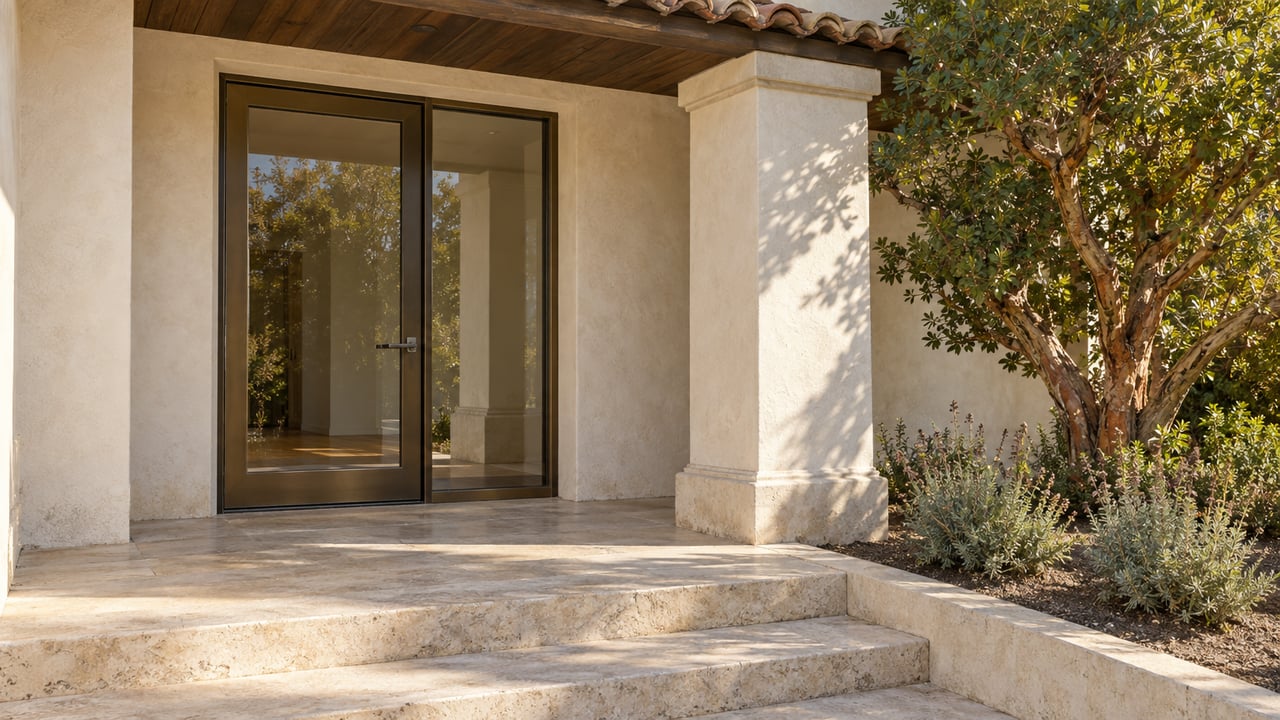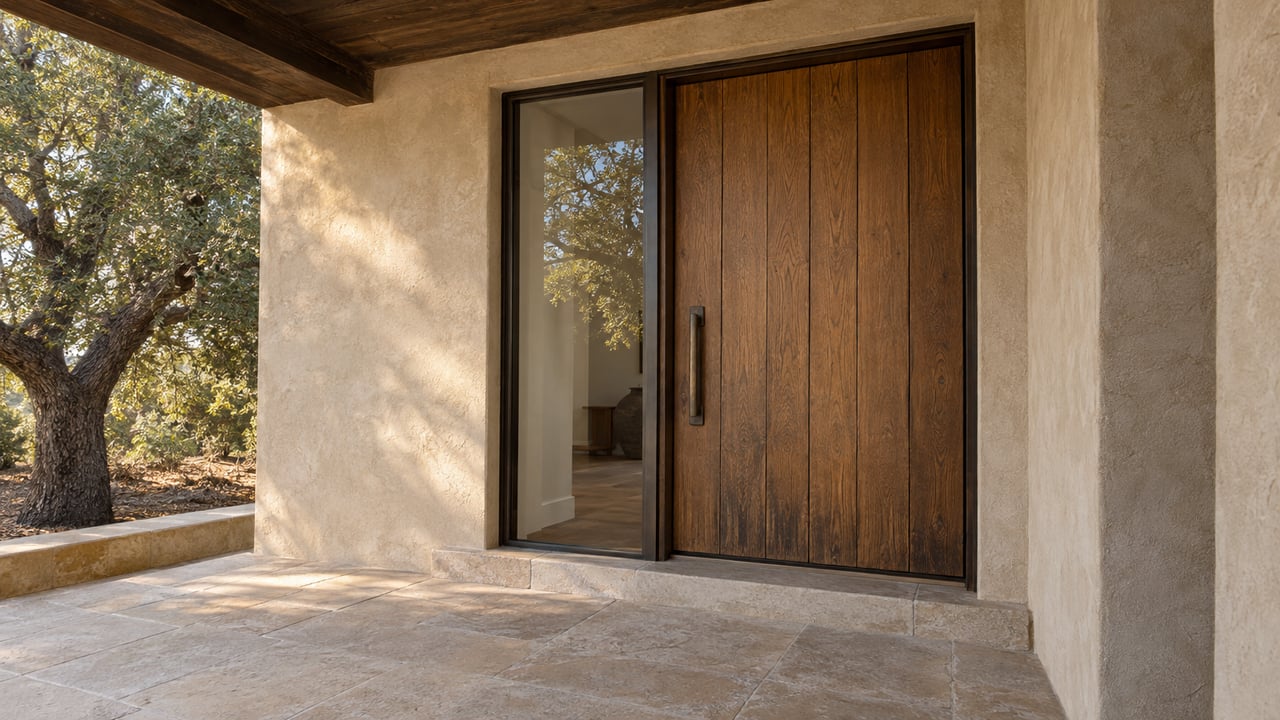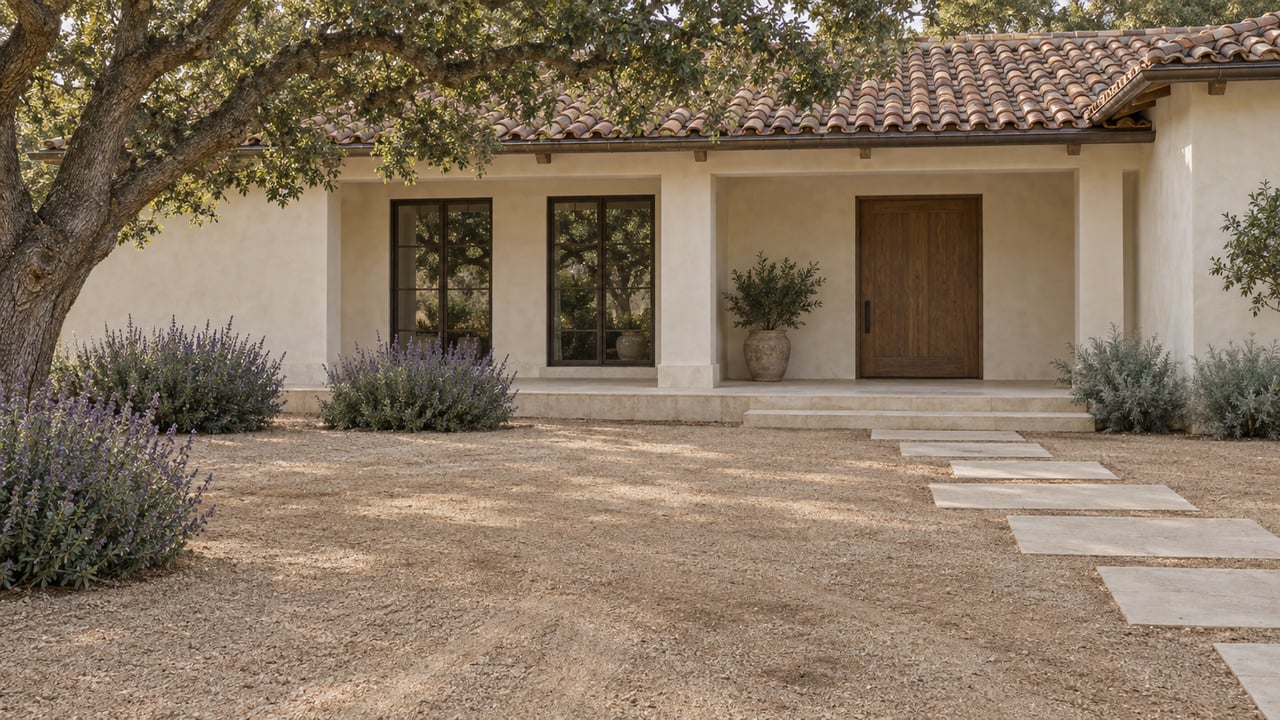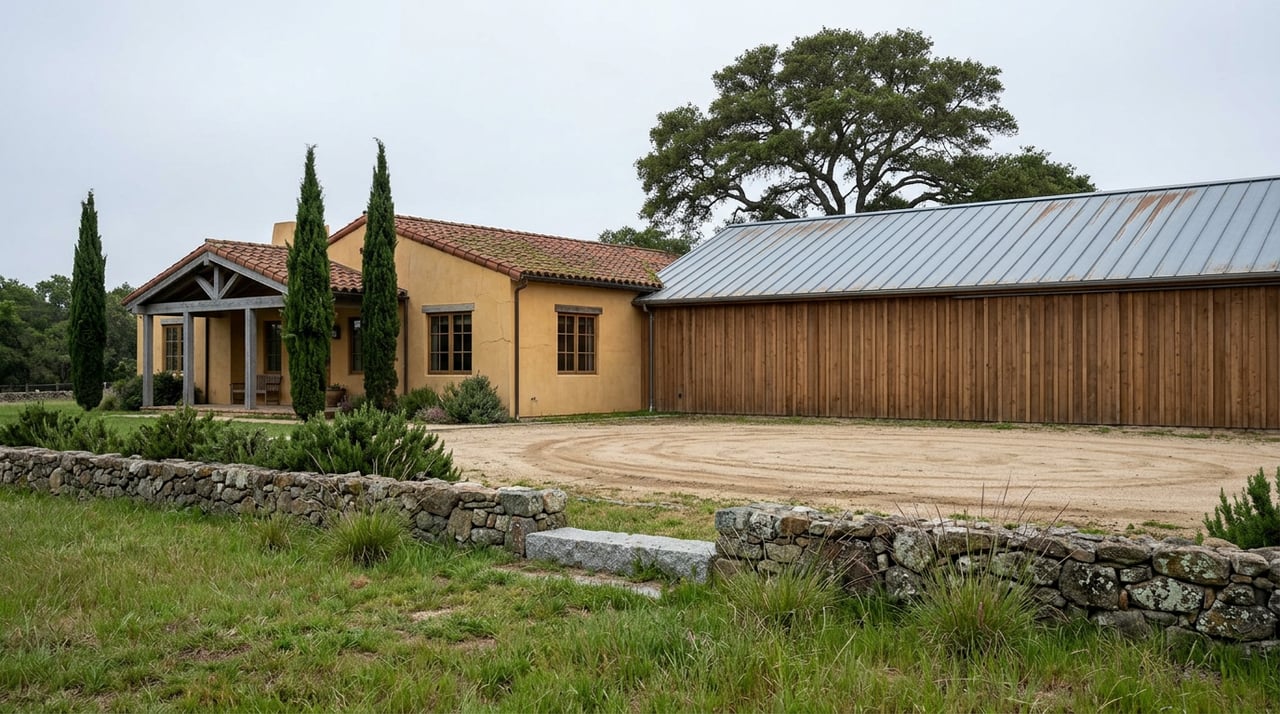
If you are planning to sell in Stoneridge Estates, you are not stepping into an easy market just because demand is still active. Buyers in 91401 are comparing price, condition, privacy, and presentation very carefully, and they have options. The good news is that a disciplined plan can help you stand out, protect your leverage, and reduce surprises before they cost you time or money. Let’s dive in.
Why strategy matters in Stoneridge Estates
Stoneridge Estates sits within a part of Los Angeles where pricing can vary a lot depending on the home itself. In ZIP code 91401, Realtor.com reported 74 active listings, a $1.372 million median listing price, $688 median price per square foot, and 38 median days on market in March 2026. Redfin’s February 2026 data points in the same direction, showing a $1.265 million median sale price, about 50 days to sell, and roughly 4 offers on average.
That tells you something important. Buyers are still active, and strong homes can attract competition, but this is not a market that rewards guesswork. If your home is overpriced, poorly prepared, or launched without a clear plan, it can lose momentum quickly.
Know the real competition
One of the biggest pricing mistakes sellers make is comparing their home to the wrong segment of the market. Broad Valley Glen numbers can be useful background, but they do not automatically define what your Stoneridge Estates home should be worth.
According to Realtor.com’s local market data for 91401, nearby price points vary widely. Valley Glen was reported at $962,500, while nearby areas on the 91401 table ranged from Van Nuys at $869,975 to Valley Village at $1.2 million, Greater Valley Glen at $1.249 million, Sherman Oaks at $1.637 million, and Studio City at $2.3245 million. That spread shows why pricing needs to reflect your home’s size, finish level, lot characteristics, privacy, and overall condition, not just the name of the area.
Start with prep before pricing
A strong sale usually begins before you ever go live on the market. That means getting clear on condition, handling visible issues, and making sure the home is ready for both photos and in-person showings.
The cleanest order of operations is usually this:
- Review the home’s condition
- Identify repair priorities
- Complete cosmetic improvements
- Stage key spaces
- Photograph and market the home
- Finalize disclosures before launch
This sequence helps you avoid rushing through important steps after buyers start asking questions.
Consider a pre-sale inspection
A pre-sale inspection is not required, but it can be a smart move. The National Association of Realtors consumer guide explains that a pre-list inspection can uncover issues involving the structure, exterior, roof, plumbing, electrical system, and HVAC before your home hits the market.
That matters because small problems can create outsized concern during a buyer’s inspection. Loose fixtures, leaks, or deferred maintenance items may be fixable, but they can still weaken confidence and trigger renegotiation if they surface too late.
Fix what buyers notice first
If you want the best return on your prep budget, focus on what helps the home show well now. Realtor.com’s California seller guidance recommends prioritizing cosmetic touch-ups, decluttering, fresh paint, and visible improvements rather than diving into major remodels right before listing.
In practical terms, your top repair categories often look like this:
- Visible cosmetic flaws such as chipped paint, worn caulking, or dated light repairs
- Buyer-sensitive issues such as leaks, loose hardware, or nonworking fixtures
- Safety basics that should be in good working order
- Cleanliness and clutter reduction so rooms feel larger and easier to understand
The goal is not perfection. The goal is to remove distractions that make buyers question the home’s care or value.
Stage the rooms that matter most
Staging is not about making the house look trendy. It is about helping buyers understand the space quickly and positively.
NAR’s 2025 staging research found that 83% of buyers’ agents said staging made it easier for buyers to visualize the property as a future home. The same report found that the living room, primary bedroom, and kitchen had the most impact, while 49% of agents said staging reduced time on market and 29% said it increased the dollar value offered by 1% to 10%.
If you are deciding where to focus, start with the spaces that shape first impressions:
- Living room
- Kitchen
- Primary bedroom
- Entry areas
- Outdoor entertaining spaces, if relevant
Even simple staging can make a meaningful difference when buyers are comparing multiple homes online and in person.
Make the home photo-ready
Online presentation is now part of the pricing strategy. Realtor.com reports that 97% of buyers use the internet during the home search process, and 43% start online. That means many buyers will form their first opinion of your home before they ever schedule a showing.
Your launch should include strong visuals that help buyers understand the property clearly. That can include photography, video, floor plans, and virtual-tour assets when available. As Realtor.com’s home seller marketing guide notes, buyers often respond not only to the home but also to the surrounding lifestyle and community context.
Price from comps, not optimism
List price is not a guess, and it is not simply your preferred number. It is a strategic starting point that should be supported by comparable sales and current competition.
Realtor.com’s California seller guide warns that overpricing can lead to fewer showings, longer market time, and price reductions that weaken your position later. In a market where the sale-to-list ratio is hovering around 100% to 100.6% depending on the source, buyers may still pay strong numbers for the right home, but they expect the pricing to make sense.
What smart pricing should consider
For a Stoneridge Estates home, pricing should be shaped by factors such as:
- Recent comparable sales
- Current competing inventory
- Lot size and usability
- Privacy and setting
- Renovation quality and finishes
- Condition at launch
- Price per square foot in the right competitive set
A good market does not protect a weak pricing strategy. It simply gives well-positioned homes a better chance to perform.
Launch quickly, but not carelessly
California’s broader housing outlook is improving, but not surging. The California Association of Realtors forecast projects a 2% rise in 2026 existing single-family sales and a 3.6% increase in the statewide median home price.
That is a supportive backdrop, but it is not an excuse for a slow or sloppy rollout. If you wait too long to prepare, or if you launch before the home is market-ready, you risk missing the strongest early attention your listing is likely to receive.
Use broad exposure with controlled access
For most sellers, maximum exposure is still the best baseline strategy. Realtor.com’s marketing guidance recommends a broad plan that includes the MLS, major home search portals, brokerage websites, agent websites, social media, open houses, email, direct mail, and agent networking.
The reason is simple. More qualified buyers seeing the home usually gives you a better chance of stronger terms and better pricing. Limiting the audience too much can reduce competition before the market has a chance to respond.
That said, broad exposure does not mean loose access.
How to protect privacy while selling
The NAR Safe Listing Form recommends removing valuables, mail, jewelry, cash, laptops, phones, prescription medications, firearms, and highly personal items such as family photos, diplomas, calendars, and journals. It also supports showing the home only to pre-qualified or properly identified buyers.
For additional control, NAR’s smart-lock guidance notes that connected smart locks can create personalized access codes and remove them when no longer needed. That gives sellers a stronger audit trail and tighter showing control.
Prepare disclosures early
A disciplined seller strategy also means getting ahead of disclosures. In California, sellers of one-to-four-unit residential property must provide a Transfer Disclosure Statement, or TDS, before transfer of title.
According to the California Department of Real Estate, the TDS describes the condition of the property and is not a warranty or a substitute for inspections. It covers known material issues and environmental hazards, including items such as asbestos, radon gas, lead-based paint, formaldehyde, fuel or chemical storage tanks, and contaminated soil or water.
If the home was built before 1978, federal lead-based paint rules may also apply. Natural Hazard Disclosure requirements can also apply in mapped hazard zones, which makes early review important.
Why early disclosures help your sale
When disclosures are prepared early, you reduce the odds of last-minute surprises. That supports the same goal as a pre-list inspection: more buyer confidence, cleaner negotiations, and a lower chance of the transaction wobbling late in escrow.
In other words, the best time to solve problems is before your buyer finds them.
Build your Stoneridge Estates selling plan
If you are selling in Stoneridge Estates, the strongest approach is usually not flashy. It is disciplined. You want the home properly prepared, priced against the right competition, marketed broadly, shown securely, and supported by solid disclosures from the start.
That kind of process protects both value and leverage. If you want a broker-led strategy built around data, positioning, and targeted exposure, connect with Mark Kojac to start with a clear plan for your sale.
FAQs
What is the current market pace for selling in 91401?
- Realtor.com reported 38 median days on market in March 2026 for 91401, while Redfin reported homes selling in about 50 days in February 2026, so well-positioned homes can move, but pricing and presentation still matter.
Should a Stoneridge Estates seller get a pre-sale inspection?
- A pre-sale inspection is not required, but NAR says it can help identify issues early, reduce surprises during the buyer’s inspection, and lower the chance of a contract falling apart over repair concerns.
How should a Stoneridge Estates home be priced?
- Your price should be based on recent comparable sales, current competing inventory, and your home’s specific features such as lot size, privacy, condition, and finish level, rather than relying on a broad neighborhood average alone.
What repairs matter most before listing a home in 91401?
- Realtor.com recommends focusing on cosmetic touch-ups, decluttering, fresh paint, and visible buyer-sensitive issues instead of taking on major remodels right before listing.
Does staging really help when selling in Stoneridge Estates?
- Yes. NAR’s 2025 research found that staging helps buyers visualize the property, can reduce time on market, and may improve offers, especially when the living room, kitchen, and primary bedroom are staged well.
How can a Stoneridge Estates seller protect privacy during showings?
- You can remove valuables and personal items, require pre-qualified or identified buyers for showings, and use controlled-access tools such as smart locks for a better record of entry.
What disclosures should a California seller prepare before listing?
- California sellers generally need to prepare a Transfer Disclosure Statement, and depending on the property, they may also need lead-based paint disclosures and Natural Hazard Disclosure documentation.