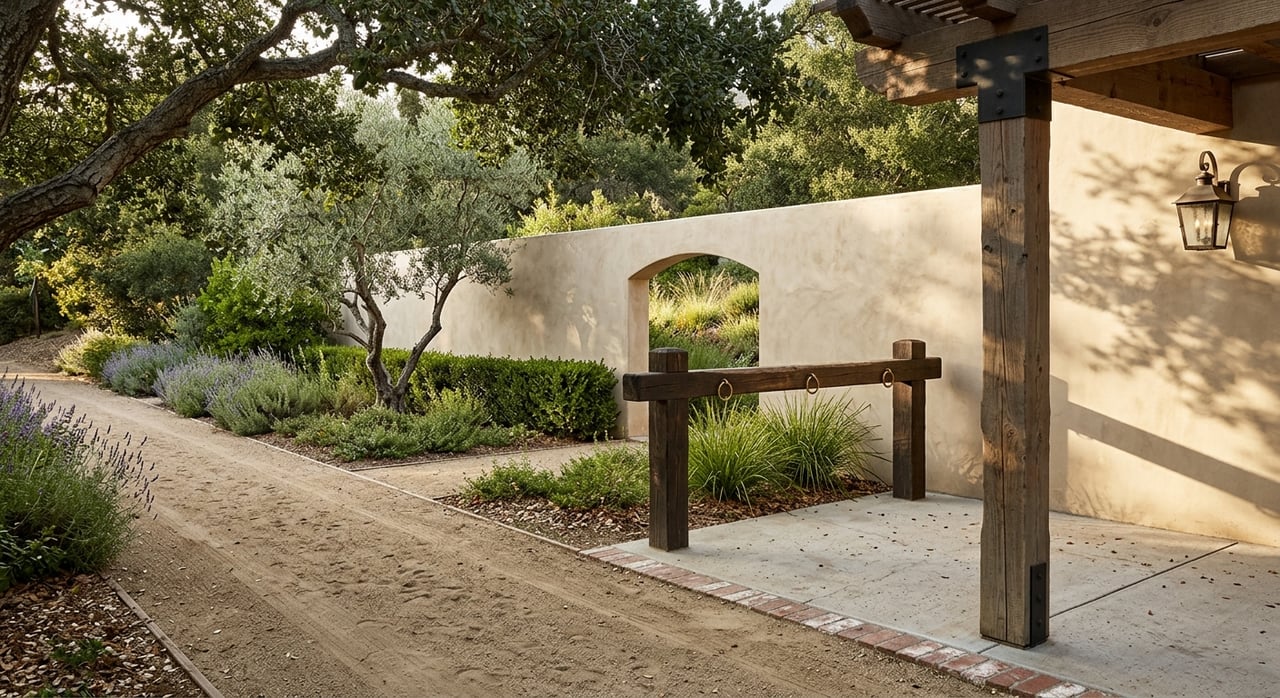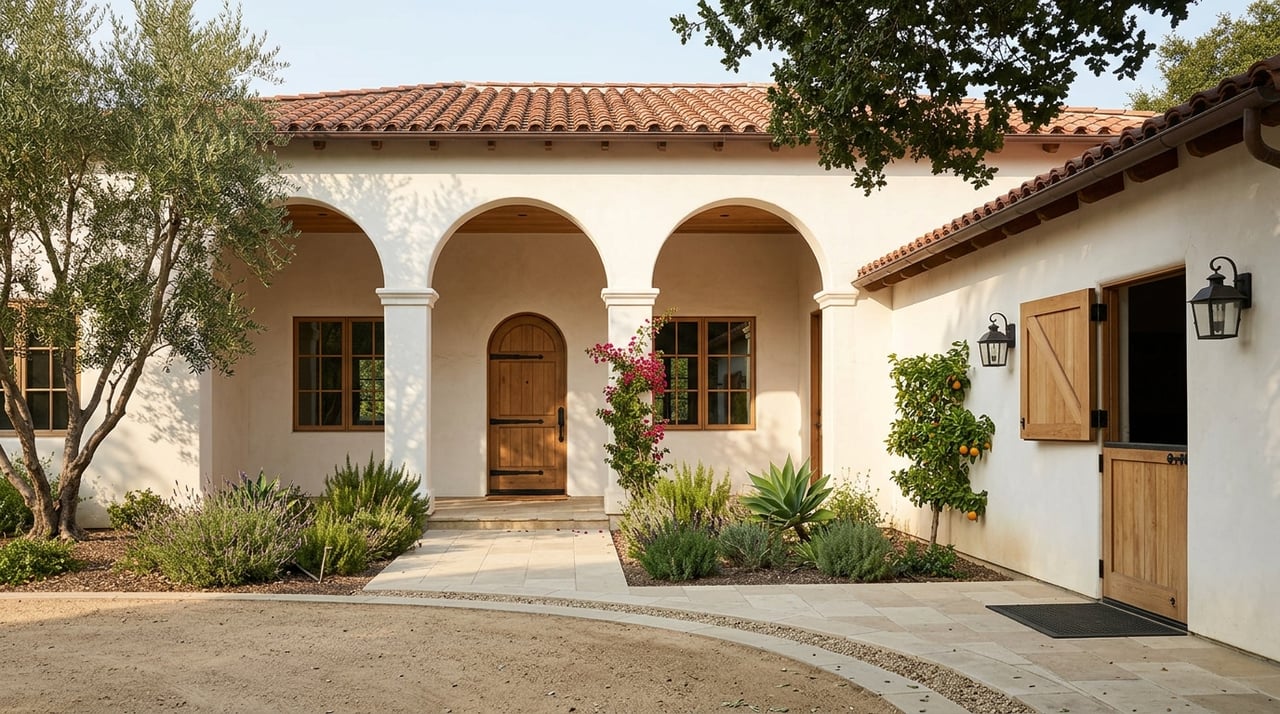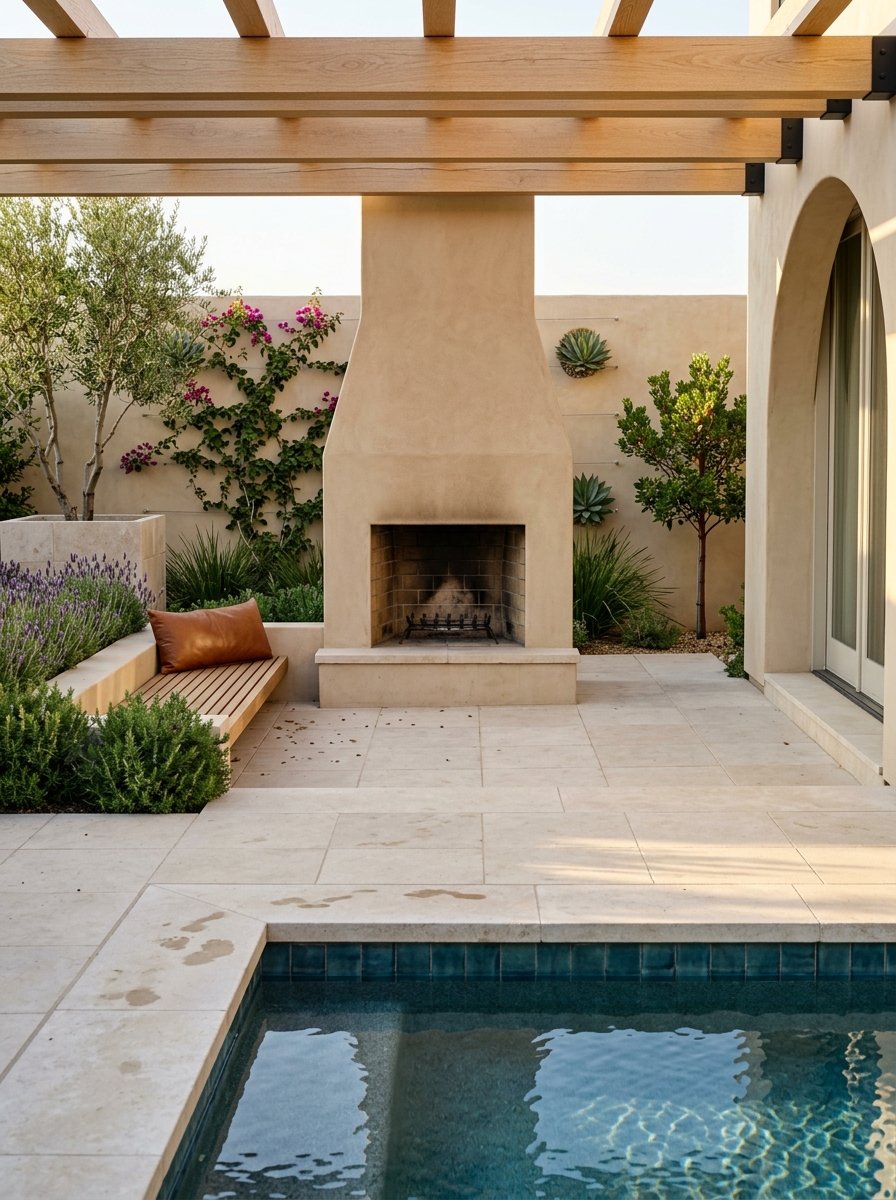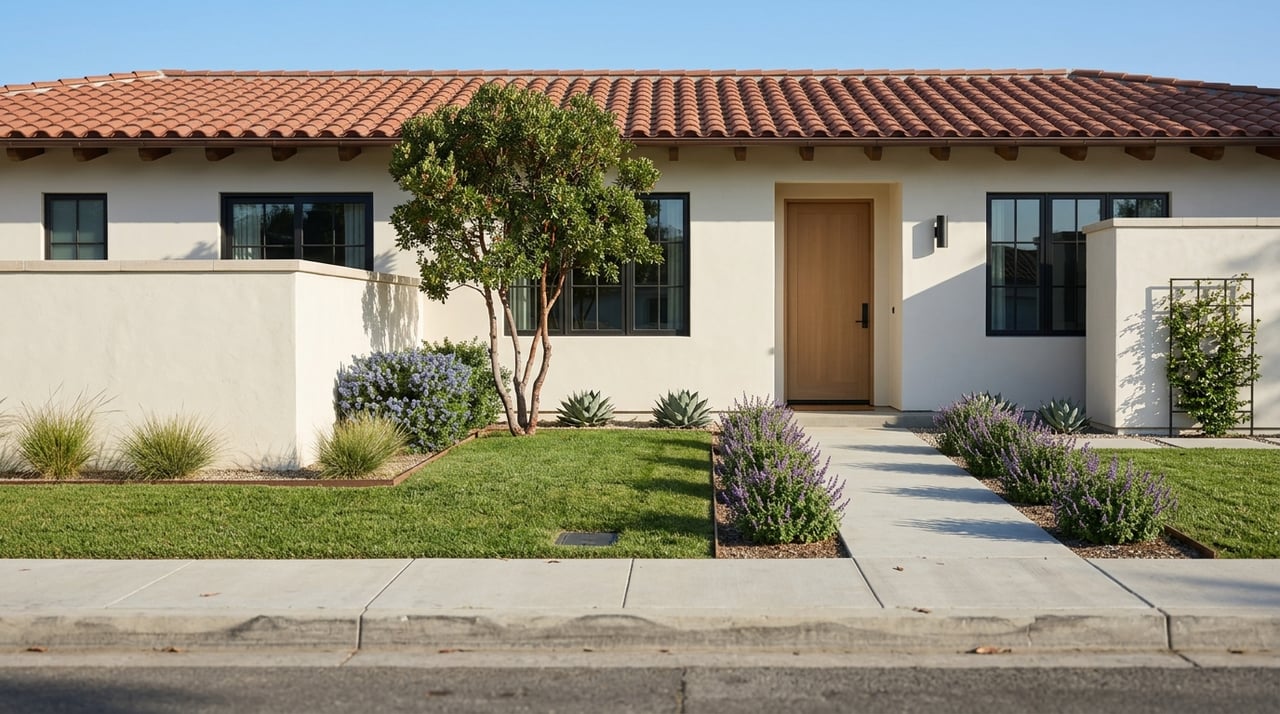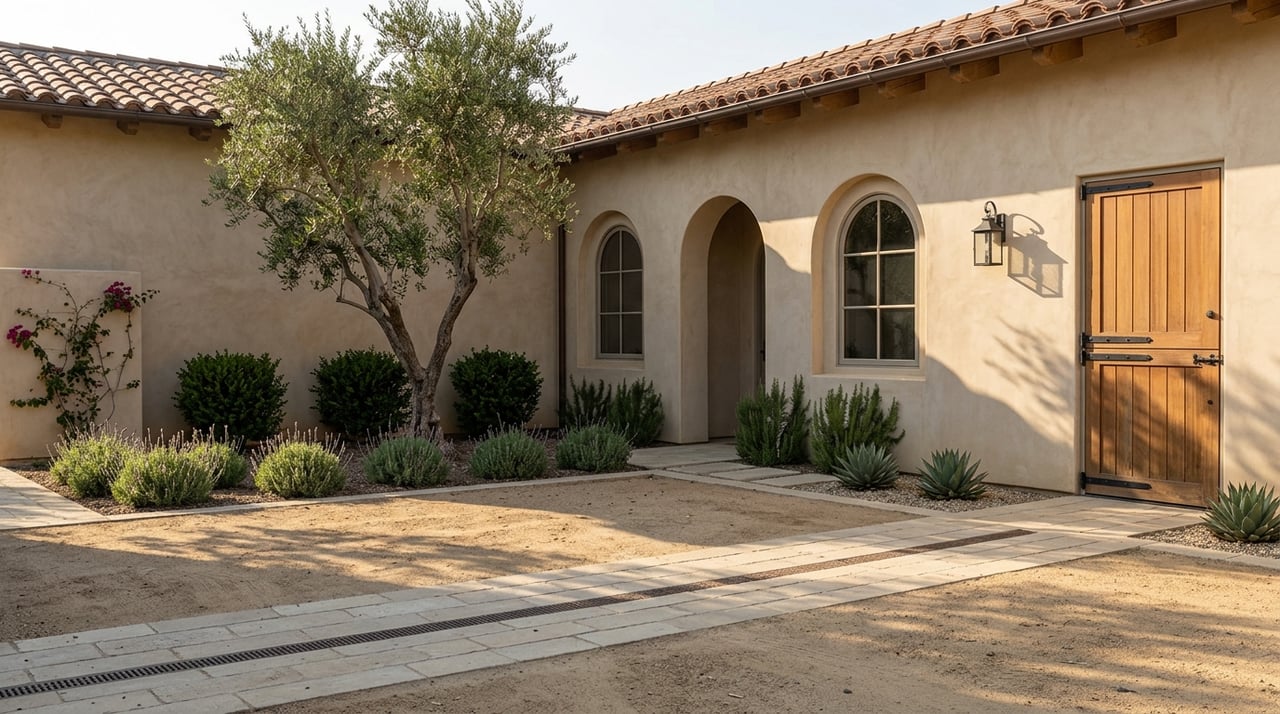
If you are looking for a gated community in San Juan Capistrano that feels distinctly different from a typical subdivision, Hunt Club stands out quickly. Between estate-sized homes, equestrian roots, and a setting shaped by long-term planning rules, it offers a lifestyle built around space, privacy, and land use that actually matters. If you want to understand what living here may look like, this guide will walk you through the features that define Hunt Club and why they matter when you buy or sell. Let’s dive in.
What defines Hunt Club
Hunt Club appears in the City of San Juan Capistrano’s planning materials as Specific Plan 77-01. That plan includes deed restrictions, lot-specific height limits, and mapped equestrian easements, which tells you this is not a standard tract community with interchangeable lots.
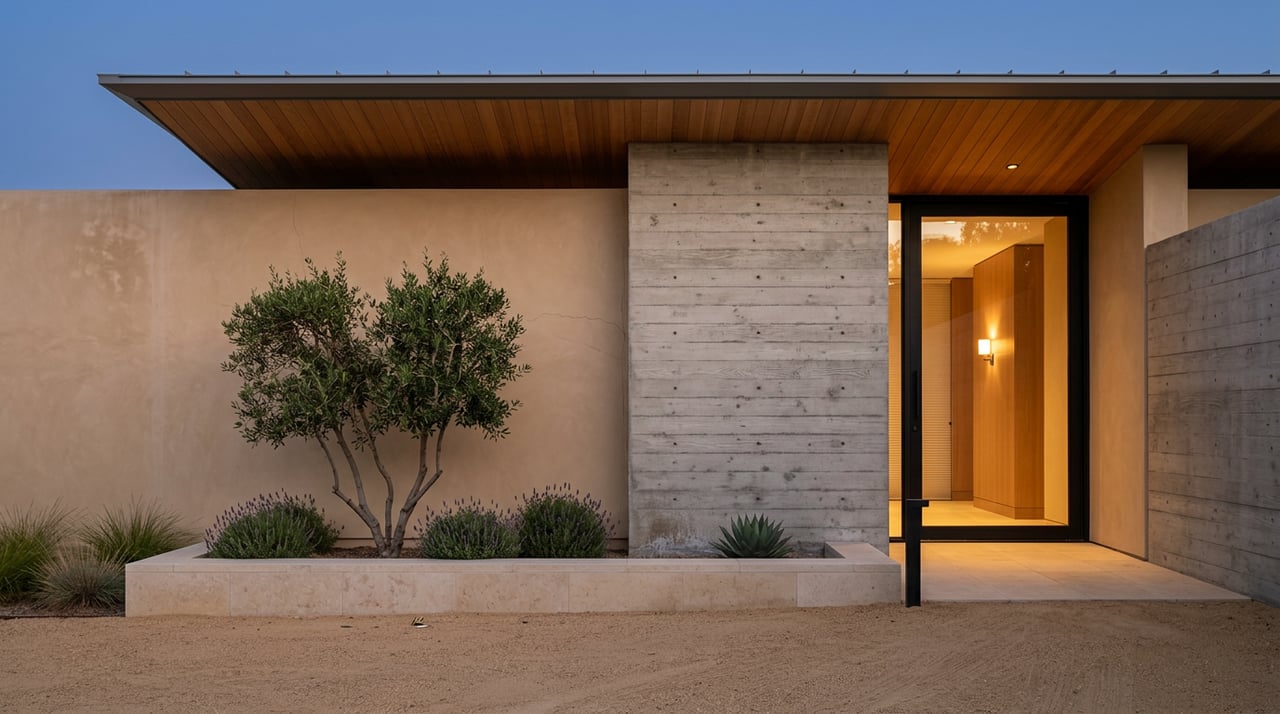
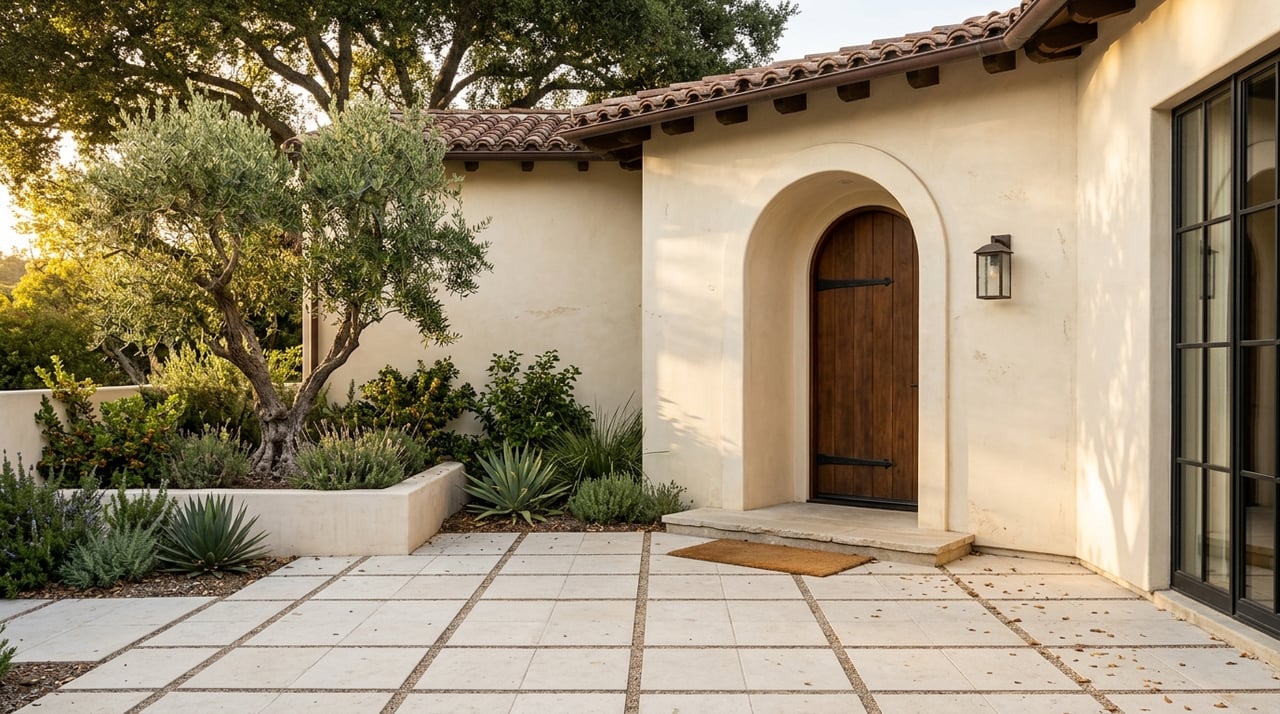
Instead, Hunt Club was shaped with long-term land use controls that influence how the neighborhood looks and functions. For buyers and sellers, that matters because these rules help explain why properties here often feel more private, more custom, and more land-driven than many other South Orange County neighborhoods.
Gated access and estate scale
One of the clearest parts of the Hunt Club identity is controlled access. Current listing data describe the neighborhood as a gated or guard-gated community with HOA-controlled entry and security features, supporting its reputation as a private estate enclave rather than an open suburban neighborhood.
The homes themselves reinforce that impression. Recent listing and sales examples show residences around 4,800 square feet, 5,637 square feet, 5,777 square feet, and 6,288 square feet on roughly one-acre or larger lots, based on current and recent Hunt Club property records and listings. These are best viewed as examples, not universal averages, because Hunt Club housing is custom and varied.
That custom nature is important. In a neighborhood like this, value is not driven by square footage alone. Lot utility, privacy, outdoor amenities, and equestrian features can all shape how a property is perceived in the market.
Equestrian roots still matter
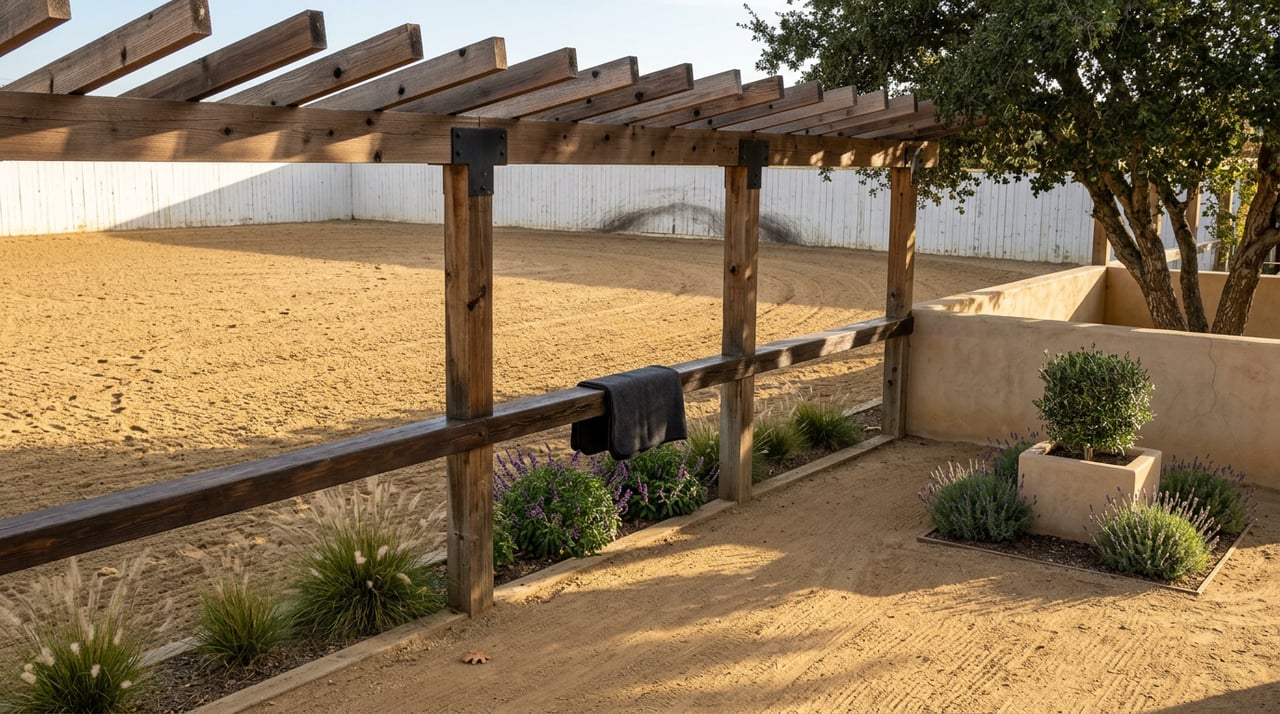
Hunt Club’s equestrian identity is not just branding. The city’s planning documents include mapped equestrian easements, and San Juan Capistrano’s broader equestrian, bike, trail, and open space system recognizes a network built for hiking, biking, and horseback use.
The city distinguishes between main trails, which are typically 20 feet wide, and 10-foot feeder trails that serve equestrian-zoned neighborhoods. Those feeder trails are often maintained by adjacent HOAs, while the overall system is intended to create loops and better access to open space.
A related city trail planning document references the existing Hunt Club trail and notes that a southerly branch extends to Rancho Viejo Road. In other words, Hunt Club is connected to a city-recognized trail framework, not just a decorative internal path.
Outdoor lifestyle beyond the gates
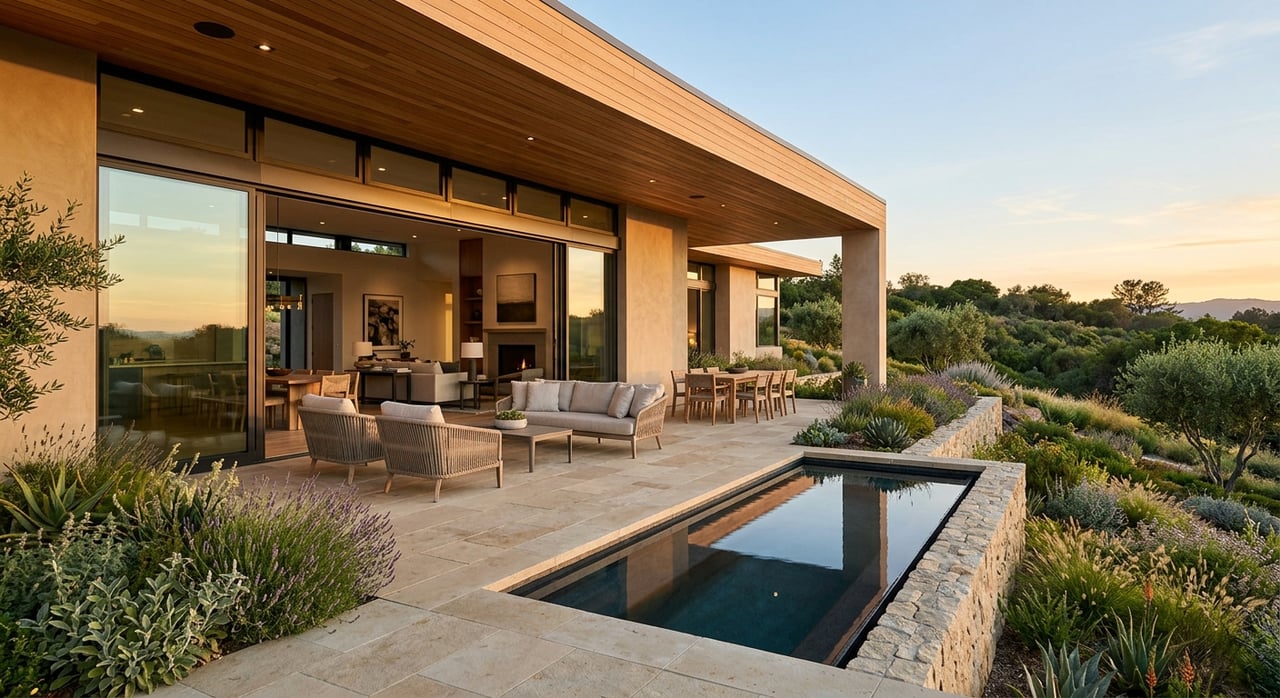
If you are drawn to San Juan Capistrano for its outdoor character, Hunt Club fits naturally into that appeal. The neighborhood’s land-rich layout and trail orientation support a lifestyle centered on movement, open air, and larger private outdoor spaces.
Current listing examples in the neighborhood mention features such as horse-property improvements, private pools, spas, and bike path connections. While listing descriptions should be treated as property-specific marketing, they help illustrate how owners and buyers often use and value homes in this community.
You also see that equestrian culture remains active in the city itself. San Juan Capistrano currently lists Horsemanship classes in its Community Services programs, reinforcing that horses and riding are part of the area’s ongoing identity rather than just its history.
Luxury pricing and custom variation
Hunt Club clearly sits in the luxury segment, but pricing can vary widely because the homes are not cookie-cutter. One current listing was asking $7.999 million after a recent price cut, while recent nearby Hunt Club sales shown in Redfin were around $4.1 million and $4.3 million, according to the same current listing snapshot.
The key takeaway is that you should be careful with simple averages here. In a custom estate neighborhood, one property may command a premium based on lot size, barn potential, trail access, privacy, improvements, or how well the home’s design matches buyer expectations.
For sellers, this is where a standard comp-based approach can fall short. For buyers, it means two homes in the same community can offer very different value depending on land use and lifestyle fit.
How Hunt Club differs from a typical tract
Most suburban neighborhoods are built around efficiency and consistency. Hunt Club is different because the underlying planning, lot sizes, and equestrian features create a far more specialized housing product.
Here are a few of the biggest differences:
- Larger custom homes instead of repeated floor plans
- Estate-scale lots that may offer more outdoor utility
- Gated or guard-gated access that supports privacy and controlled entry
- Equestrian easements and trail connectivity that shape land use and lifestyle
- A more car-oriented setting rather than a walk-to-everything neighborhood
One current listing reports a Walk Score of 8 and a Bike Score of 1, which is consistent with a private, car-oriented estate environment. That does not make the neighborhood better or worse than other options. It simply means Hunt Club is designed for a different kind of daily living.
What daily life may feel like
Living in Hunt Club likely means trading convenience-on-foot for privacy, space, and a more land-focused lifestyle. If you value acreage, separation between homes, and a neighborhood where outdoor features carry real weight, that tradeoff may be exactly the point.
At the same time, Hunt Club still benefits from San Juan Capistrano’s broader lifestyle appeal. The Mission San Juan Capistrano downtown guide describes historic downtown as the heart of the city, within walking distance of shops, restaurants, and the train station, while also highlighting the area’s equestrian heritage, historic buildings, River Street dining, and San Juan Hills Golf Club.
That blend is part of what makes the area unique. You can have an estate-style setting at home while still being connected to a city known for history, trail culture, and a strong sense of place.
Why Hunt Club appeals to equestrian buyers
For equestrian-minded buyers, Hunt Club offers something that is increasingly hard to find in coastal-adjacent Orange County: large-lot residential living in a community where horse-oriented planning features are part of the neighborhood framework.
That does not mean every property will suit every horse owner the same way. What it does mean is that trail access, easements, lot layout, and property improvements deserve close review because they can have a real impact on how usable a property is for your goals.
This is also why local knowledge matters. In equestrian and land-driven neighborhoods, zoning, easements, access, and utility often influence value just as much as interior finishes do.
What sellers should understand
If you own a home in Hunt Club, your property likely needs a more tailored strategy than a standard luxury listing. Buyers in this segment are not only comparing bedroom counts and finishes. They are also looking at lot function, privacy, trail relationships, outdoor improvements, and how the property fits an estate or equestrian lifestyle.
That affects pricing, presentation, and marketing. A home with meaningful land utility or horse-property features needs to be positioned for the right buyer pool, not just exposed broadly without context.
For that reason, sellers usually benefit from a valuation approach that looks beyond surface-level comps. In a neighborhood like Hunt Club, details tied to land use and lifestyle can meaningfully shape market response.
Is Hunt Club the right fit for you?
Hunt Club may be worth a closer look if you want a gated San Juan Capistrano community with larger custom homes, estate-sized lots, and a neighborhood identity tied to equestrian living and privacy. It may be especially appealing if you see your home as more than a house and more as a long-term lifestyle property.
If you are buying, the right question is not just whether you like the home. It is whether the lot, location, access, and neighborhood structure fit how you want to live. If you are selling, the goal is to present those same features clearly so qualified buyers understand what makes your property distinct.
When you are ready for a more informed look at Hunt Club values, buyer demand, or how to position a distinctive estate, connect with Mark Kojac. His broker-led approach focuses on luxury, equestrian, and large-lot properties across South Orange County.
FAQs
What is Hunt Club in San Juan Capistrano known for?
- Hunt Club is known for gated or guard-gated access, larger custom homes, estate-scale lots, equestrian easements, and trail-oriented living shaped by the city’s Specific Plan 77-01.
Are Hunt Club homes in San Juan Capistrano considered luxury properties?
- Yes. Current listing and recent sale examples place Hunt Club in the luxury category, with pricing examples ranging from about $4.1 million to nearly $8 million, depending on the property.
Does Hunt Club in San Juan Capistrano have equestrian trails?
- Hunt Club is referenced in city trail planning documents, and the neighborhood connects to San Juan Capistrano’s broader equestrian, hiking, and biking trail system.
Is Hunt Club in San Juan Capistrano walkable?
- Hunt Club appears to function more as a private, car-oriented estate community than a walk-to-everything neighborhood, based on current listing data and the area’s larger-lot layout.
What should sellers consider when listing a Hunt Club home?
- Sellers should look beyond basic comparable sales and consider lot utility, equestrian features, privacy, outdoor amenities, and how to market the property to qualified luxury or equestrian-minded buyers.