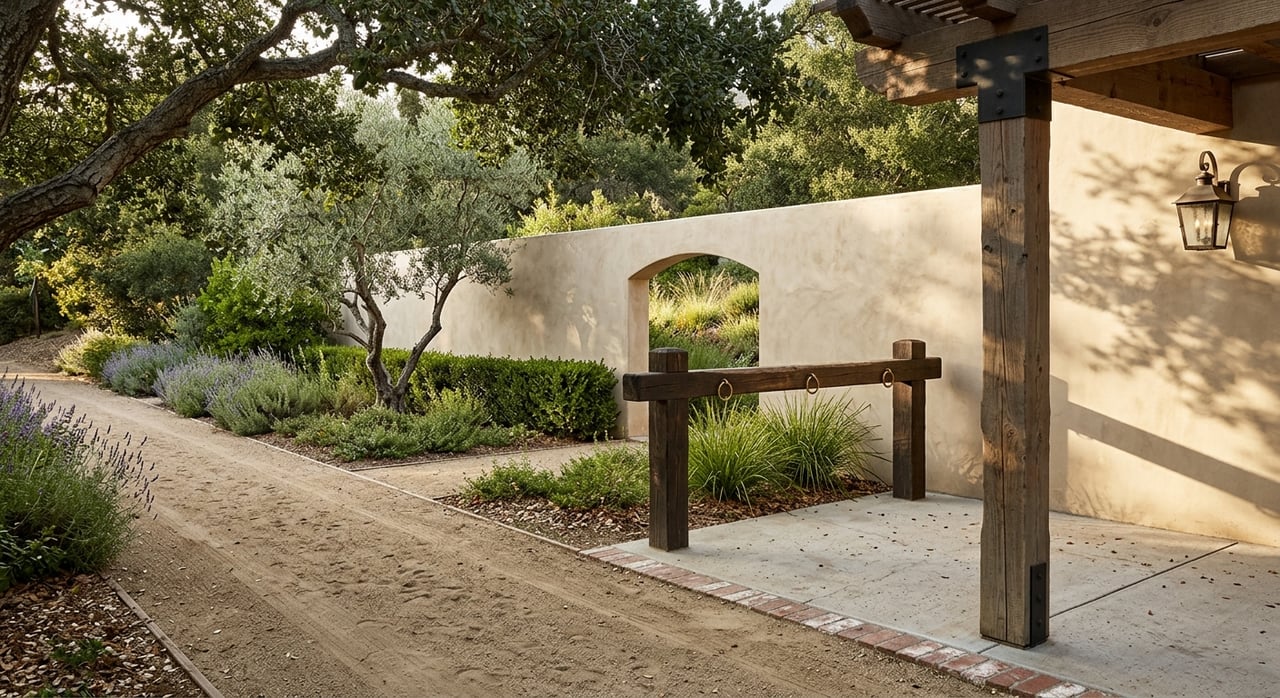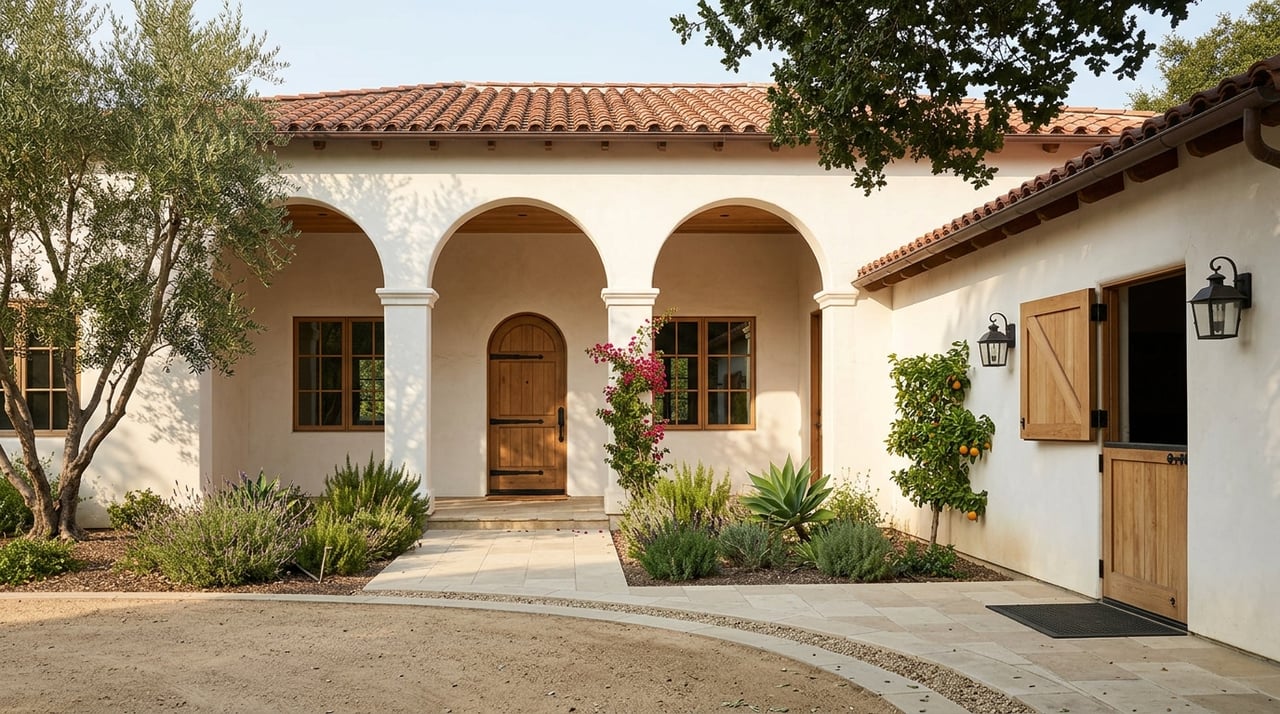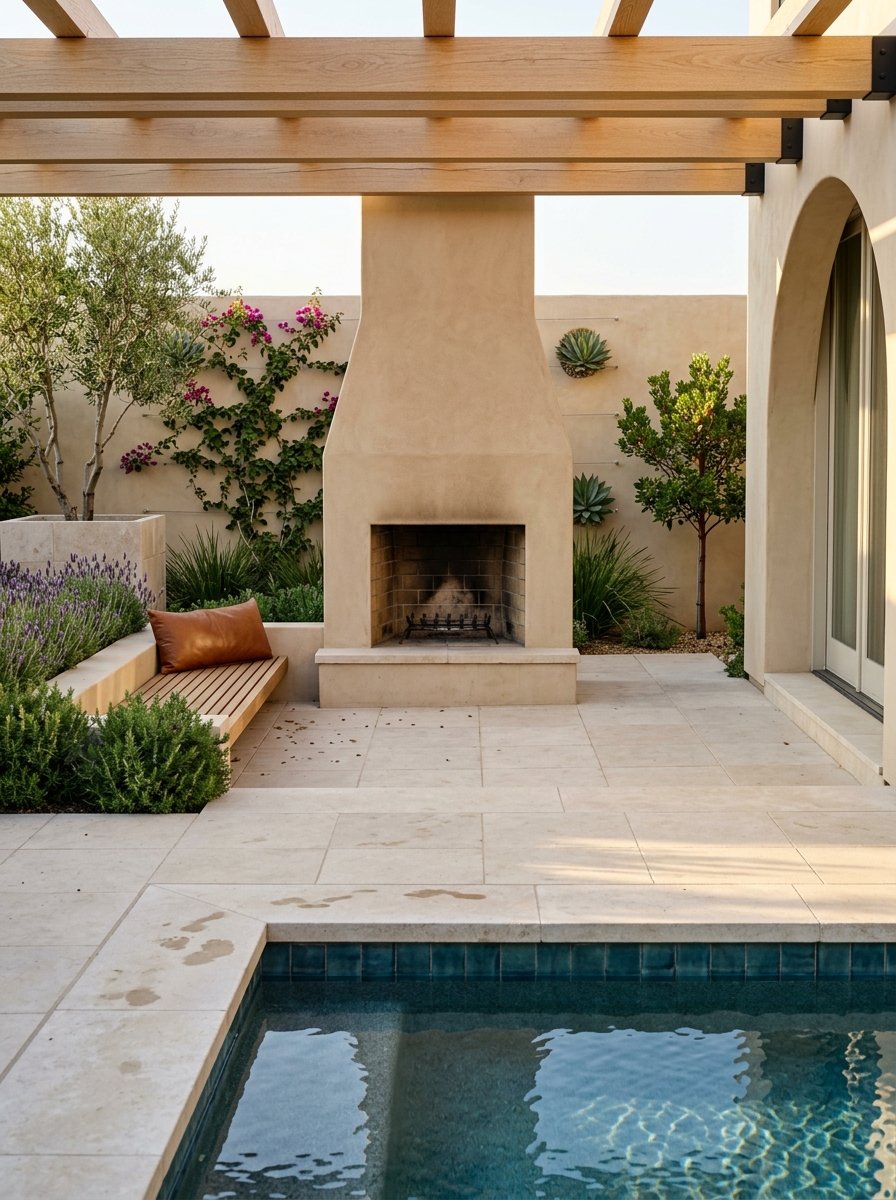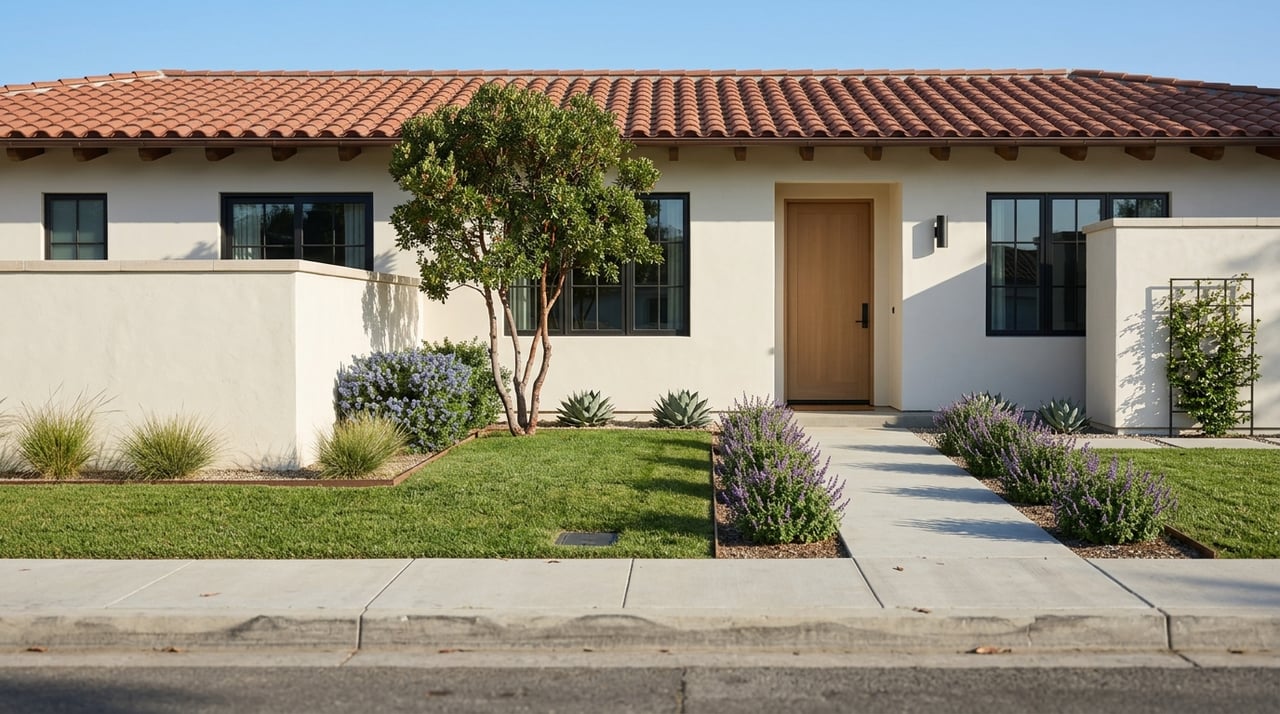
If you are selling in Hunt Club, you are not just putting a house on the market. You are presenting a private estate in a guard-gated San Juan Capistrano community where land, usability, and equestrian function can shape value as much as the residence itself. The good news is that the right prep can sharpen your pricing, improve your presentation, and help you attract buyers who truly understand what your property offers. Let’s dive in.
Understand what buyers want
In Hunt Club, buyers are often looking for more than square footage and finishes. They may be focused on privacy, controlled entry, acreage utility, trail access, outdoor entertaining, and the ability to use the property as a lifestyle asset.
That matters because your sale strategy should reflect what this community actually offers. Hunt Club was developed under Specific Plan 77-01, with deed-restricted development constraints, lot-specific height limits, and mapped equestrian easements that make the horse-property identity part of the land plan itself.
San Juan Capistrano also supports trails, open space, and equestrian facilities through its planning framework. In practical terms, that means buyers may place real value on how your lot connects to that lifestyle, not just on the interior design of the home.
Lead with land function
For many Hunt Club properties, the land tells the story first. A beautiful interior still matters, but buyers in this market often look closely at driveway flow, privacy, parking, entertaining space, and how the grounds actually work day to day.
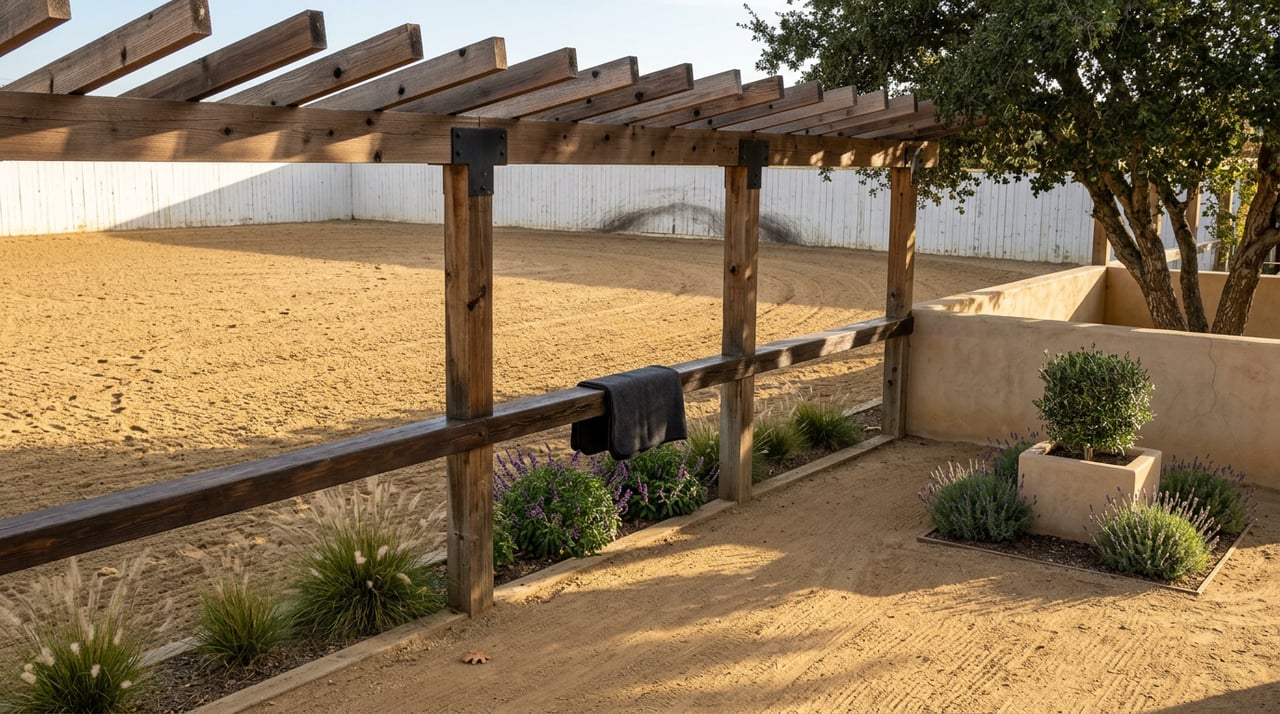
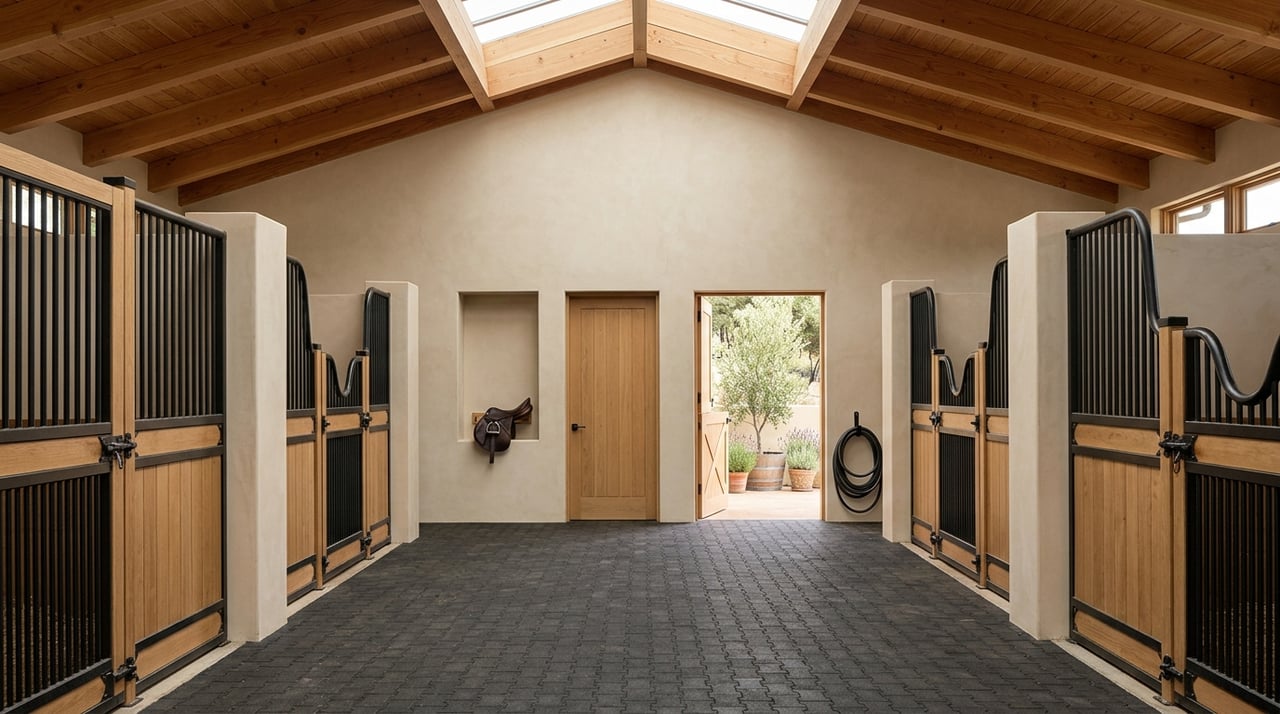
If your property includes equestrian improvements, those details should be evaluated with care. Barn or stall utility, turnout potential, fencing, storage, arena space, and access across the lot can all influence how a buyer sees the property.
Even if your estate is not actively used for horses, the lot may still carry value because of its layout, scale, and outdoor potential. In Hunt Club, usable land is rarely a background feature.
Price for the micro-market
Luxury sellers can get into trouble when they lean too hard on broad market headlines. Orange County's March 2026 numbers show a median listing price of $1,338,888, about 6,628 active listings, 40 median days on market, and a 99% sale-to-list ratio. Those are helpful baseline numbers, but Hunt Club sits in a very different pricing tier.
In ZIP code 92675, the March 2026 median listing price was $2.59 million, with 114 homes for sale, 42 median days on market, and a 99% sale-to-list ratio. That points to a seller's market, but still one where buyers respond quickly to overpricing.
Current Hunt Club inventory shows that range clearly. Active options span from land offerings around $1.65 million to estates listed near $8 million, with many homes clustered roughly between $3 million and $3.8 million. Some listings have also taken price cuts, which is a reminder that even in a strong luxury segment, the market can punish a number that is not supported by condition, lot utility, or presentation.
Why pricing spread matters in Hunt Club
This is not a neighborhood where one simple price-per-square-foot rule tells the whole story. Nearby values can range from the high $2 millions to above $9 million, and that spread reflects how much condition, lot size, privacy, and outdoor improvements can shift value.
That is why pricing should start with the property's actual competitive set. A Hunt Club estate with a strong driveway approach, mature grounds, polished outdoor living, and functional horse amenities may compete very differently from a similar-sized home on paper with less usable land or deferred maintenance.
Verify improvements before launch
Before you invest in photography, brochures, or showings, take a hard look at the property's improvement history. Because Hunt Club's development standards are tied to a specific plan and deed restrictions, it is smart to confirm that exterior and land improvements align with what was permitted.
This is especially important for barns, sheds, fences, arenas, guest structures, retaining walls, and hardscape. Buyers at this price point will ask detailed questions, and uncertainty can slow momentum or create renegotiation later.
A clean pre-market review can also help your agent frame the property correctly from the start. It is easier to tell a strong story when your paperwork and physical improvements support each other.
Assemble disclosures early
Luxury buyers expect a smooth process, and that starts long before the first showing. In California, HOA transfer requirements call for sellers to provide governing documents, assessment information, unpaid assessments or fines, violation notices, and other association disclosures before transfer or contract execution.
In a gated community like Hunt Club, that packet should be assembled early. Waiting until escrow can add unnecessary friction and may create avoidable delays.
Natural hazard disclosures should also be addressed upfront as part of your pre-list preparation. On an estate or horse property, buyers often expect a well-organized paper trail, especially when the site includes large outdoor areas, slopes, or specialized improvements.
Fix what luxury buyers notice fast
In Hunt Club, prep is not just about cosmetic touch-ups. Buyers often judge the property as a whole system, with a close eye on how the estate performs and how much work it may require after closing.
A practical sale-prep checklist should include:
- Roof condition
- Drainage and water flow
- Driveway access and turnaround space
- Irrigation performance
- Fencing and gates
- Stall condition
- Tack and feed storage
- Pasture or turnout usability
- Tree health and landscape maintenance
- Pool or spa systems
- Outdoor lighting
- View corridors and sightlines
These are the kinds of details that influence first impressions and value perception. On a large-lot property, they are not side issues. They are part of the product.
Decide what to repair and what to disclose
Not every item needs a full upgrade before you list. The goal is to address visible function problems, remove distractions, and avoid giving buyers an excuse to discount the property more than necessary.
In many cases, the best return comes from repairs that improve usability and confidence. A working irrigation system, clean fencing lines, healthy landscaping, and a polished driveway approach can have more impact than over-customizing interior finishes right before sale.
Create media that sells the estate
Most buyers begin online, and visuals do a lot of the heavy lifting. Research from the National Association of REALTORS® shows that listing photos are the most useful feature for 81% of buyers during an online search, and 52% of buyers found the home they purchased online.
For Hunt Club, that means your media package should tell the land story, not just the interior story. A luxury buyer needs to understand the scale, shape, and flow of the property before deciding whether to make an appointment.
Your photo and video plan should usually include:
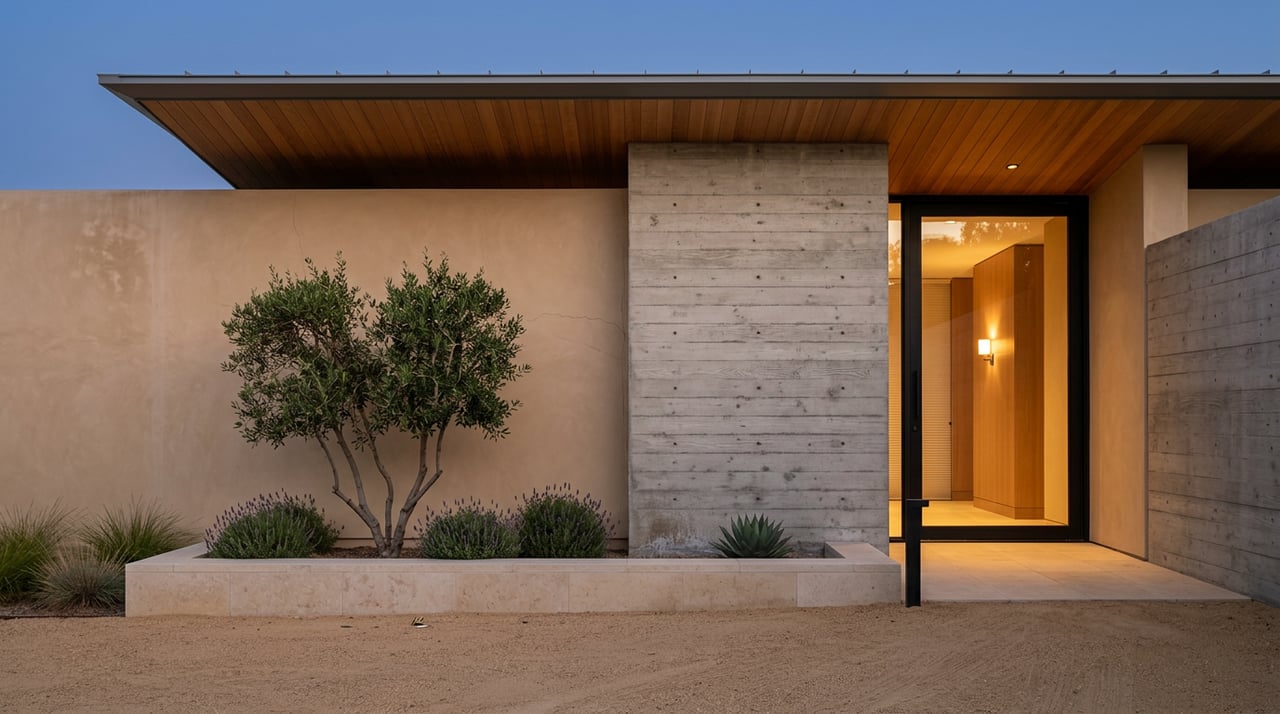
- A strong exterior hero image
- Aerial views showing lot shape and orientation
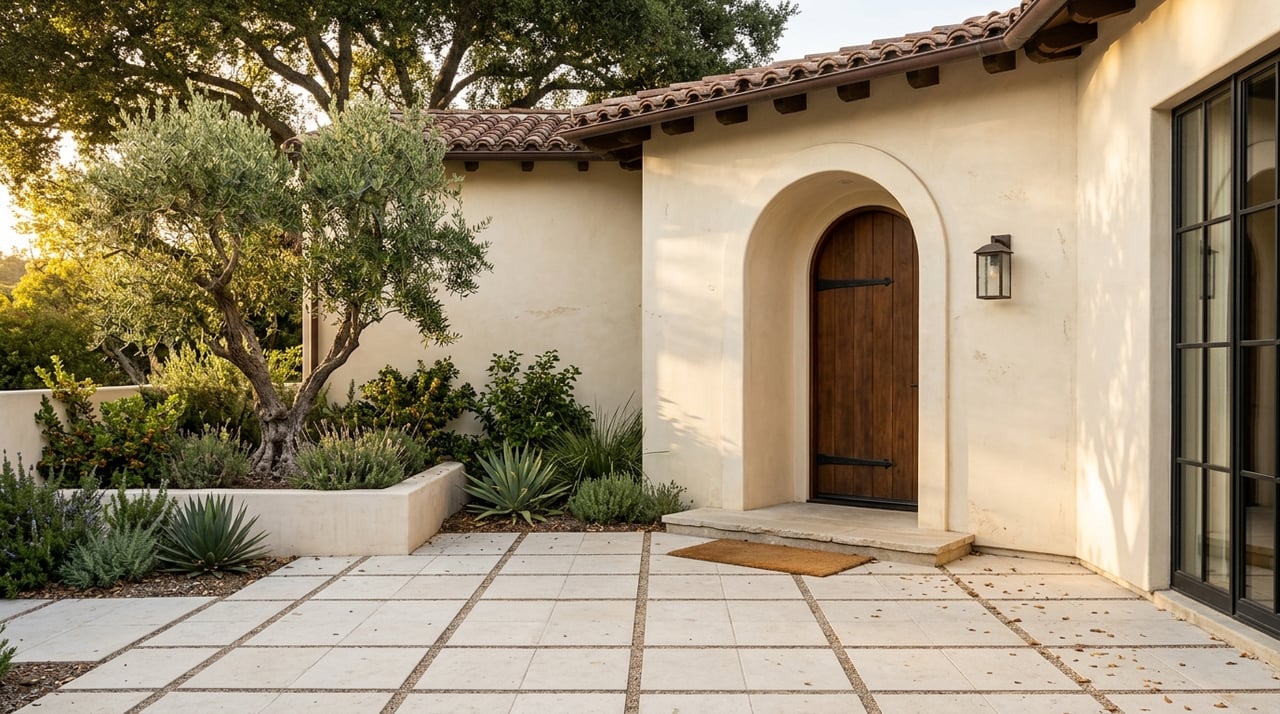
- Driveway approach and motor court areas
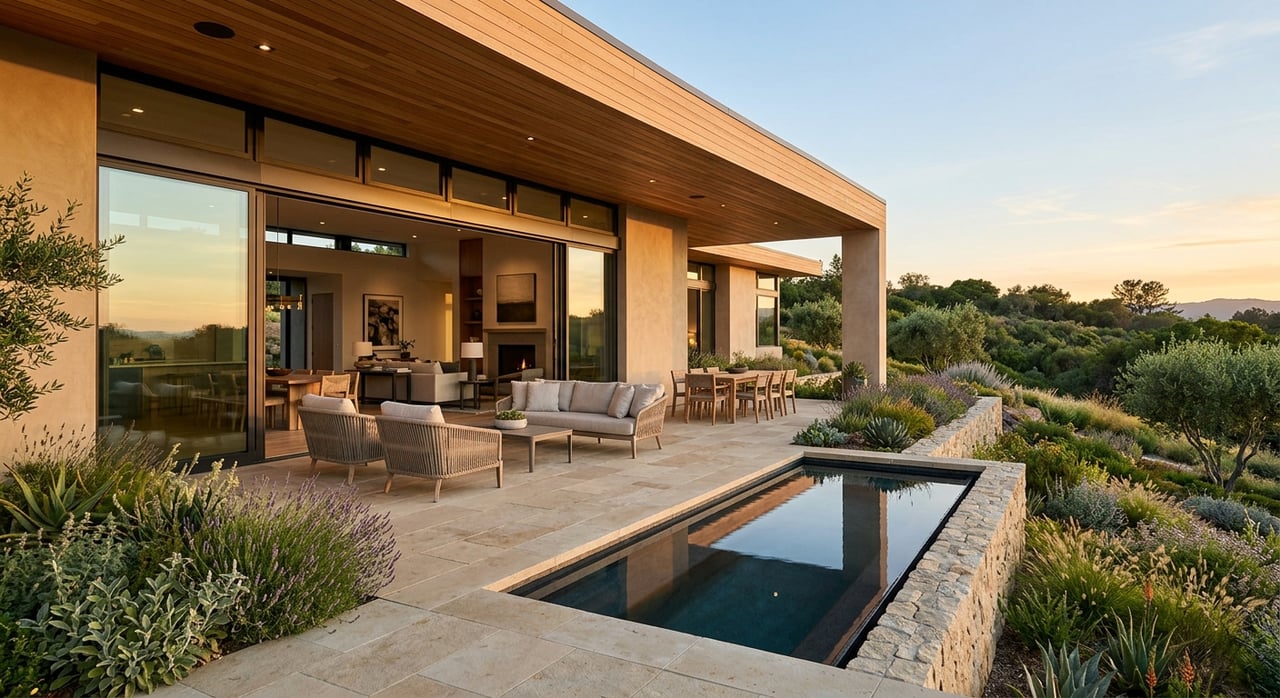
- Outdoor entertaining spaces
- Barn, stalls, arena, or turnout areas if applicable
- Relationship to open space and surrounding grounds
- A floor plan or virtual tour to clarify layout and flow
Aerial media can be especially valuable on a large-lot estate, but it should be handled carefully. Drone work needs to respect privacy, airspace, permit rules, and the realities of a gated setting.
Control access like a luxury listing
Hunt Club is not a neighborhood where high-volume public traffic helps your sale. Guard-gated entry and the nature of estate properties support a more controlled showing strategy.
That usually means appointment-only access, confirmed gate instructions, and carefully managed showing windows. This approach protects your privacy, reduces disruption, and helps ensure that the people touring the property are serious prospects.
It also reinforces the right market position. A Hunt Club estate should be presented like a scarce, high-value asset, not like a home that is open to casual foot traffic.
Match the message to the buyer
One of the biggest mistakes sellers make with distinctive properties is using generic listing language. Hunt Club buyers are often responding to privacy, trail access, land usability, barn quality, outdoor entertaining, parking, and ease of care.
If your marketing focuses only on bedroom count and remodeled finishes, you may miss the features that matter most to the best-fit buyer. The strongest sales narratives connect the residence, the land, and the lifestyle in a clear and credible way.
That is where broker-led positioning makes a difference. When a property has equestrian potential or meaningful land-use considerations, your marketing needs to speak to those details with confidence and accuracy.
Build your sale around clarity
A high-impact Hunt Club sale usually comes down to four things: accurate pricing, clean pre-market review, strong visual storytelling, and controlled buyer access. When those pieces work together, your property is easier for qualified buyers to understand and easier for them to value correctly.
This is a niche market, and niche markets reward precision. If you prepare the property around how Hunt Club buyers actually shop, you give yourself a much better chance to protect value and move with less friction.
If you are thinking about selling a Hunt Club estate, horse property, or large-lot home in San Juan Capistrano, working with a broker who understands land use, buyer psychology, and equestrian positioning can make a real difference. To start with a data-driven strategy and targeted marketing plan, connect with Mark Kojac.
FAQs
What should sellers focus on before listing a Hunt Club estate?
- Focus on pricing, verifying exterior and land improvements, organizing disclosures early, fixing visible condition issues, and preparing media that shows both the home and the land clearly.
Why is pricing a Hunt Club home different from pricing a typical Orange County home?
- Hunt Club is a small estate micro-market where lot size, privacy, condition, equestrian utility, and outdoor improvements can move value much more than a broad county average would suggest.
What disclosures matter in a Hunt Club home sale in California?
- Sellers should prepare HOA transfer documents early and make sure the natural hazard disclosure package is addressed upfront as part of pre-list preparation.
How should photography for a Hunt Club property be planned?
- The media plan should highlight the estate as a whole, including exterior hero shots, aerial views, driveway flow, outdoor living areas, and any barn or land features that shape the property's use.
Are open houses the best strategy for a Hunt Club listing?
- In many cases, no. Because Hunt Club is guard-gated and privacy matters, appointment-only showings with controlled access are often a better fit for the property and the likely buyer pool.