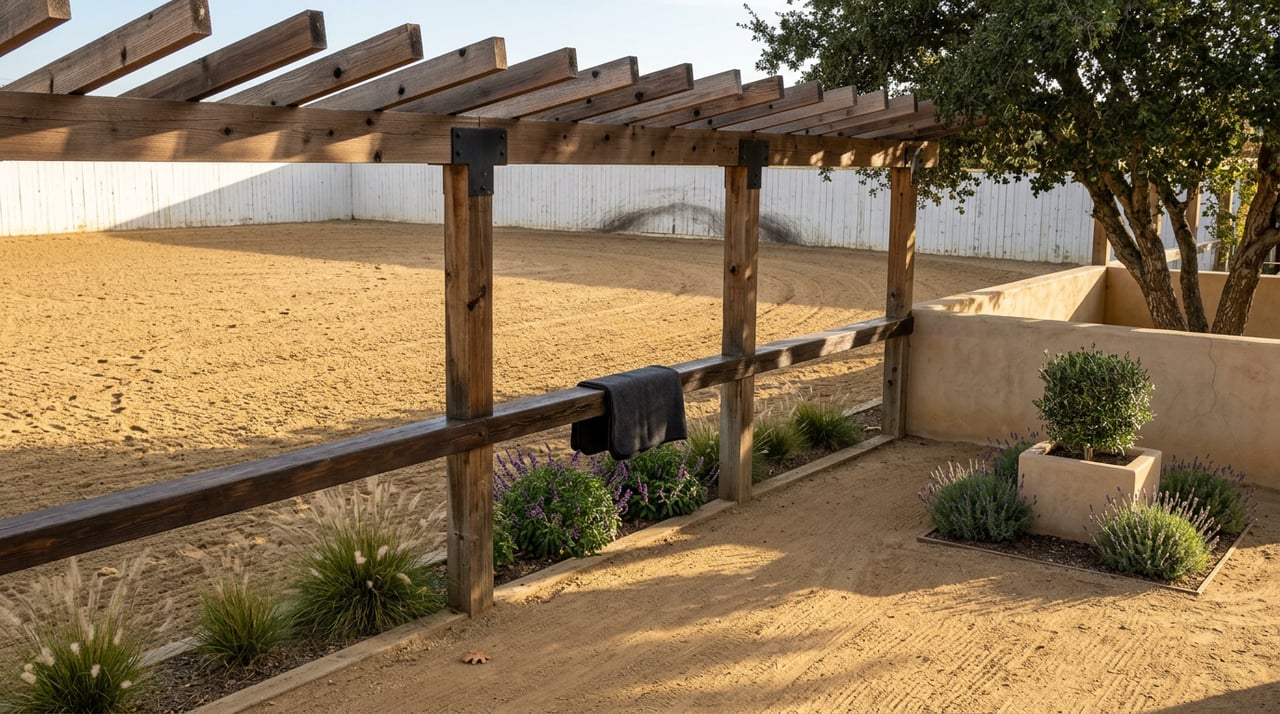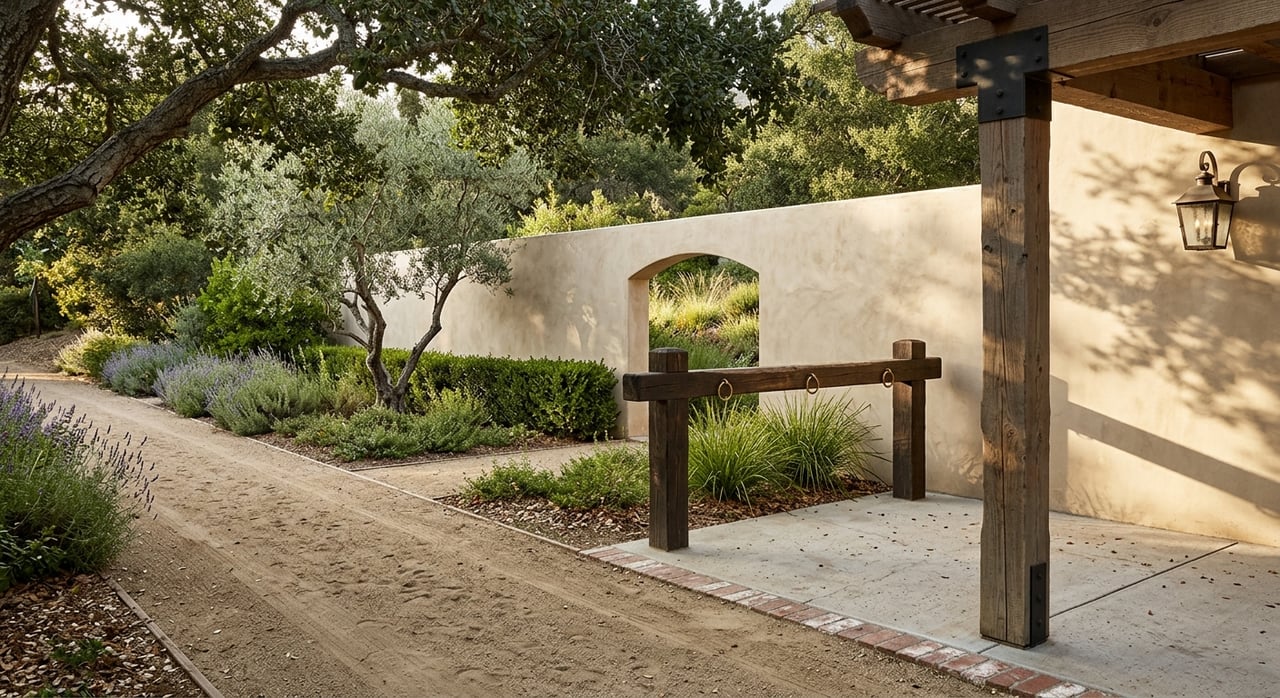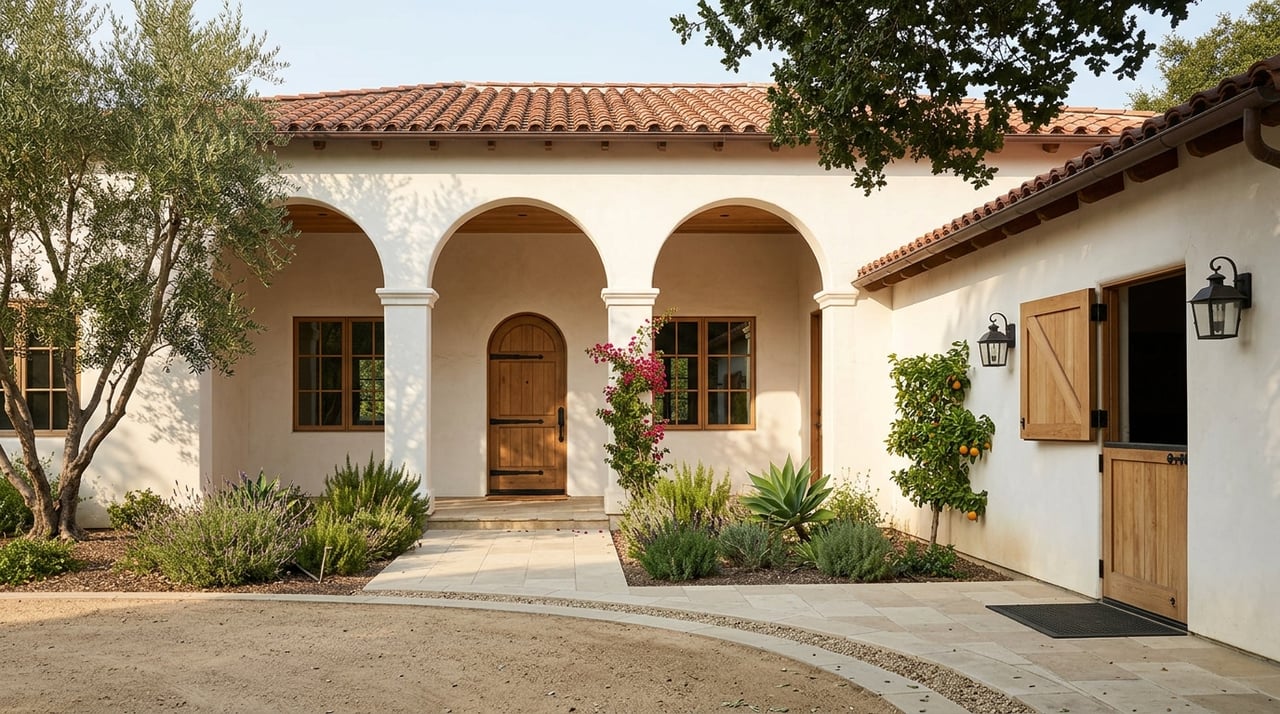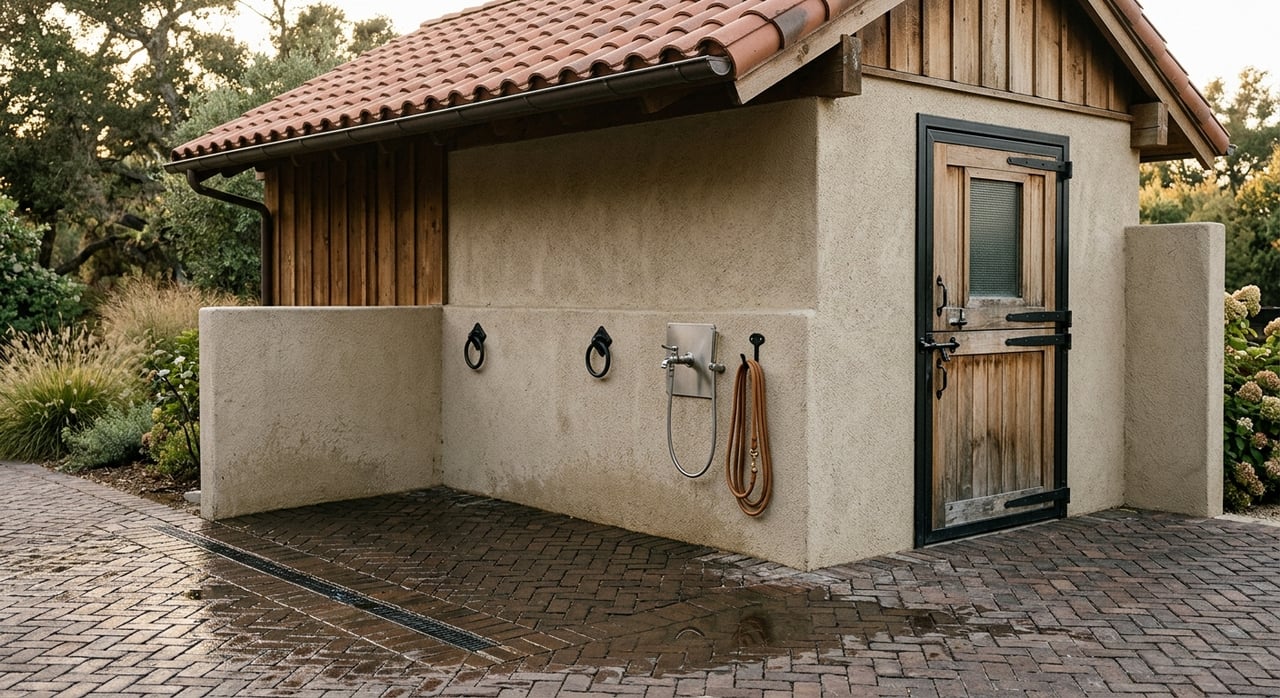
If you want more than a typical suburban routine, San Juan Capistrano offers a lifestyle that feels increasingly rare in Orange County. Here, horses are not an afterthought. They are part of the city’s identity, land use, and daily rhythm. If you are considering a move, a purchase, or a sale tied to this lifestyle, understanding how it really works can help you make smarter decisions. Let’s dive in.
Why San Juan Capistrano Stands Out
San Juan Capistrano is well known by the city itself as an equestrian destination, and that reputation is backed by real infrastructure. Within just 14 square miles, the city reports 43 miles of unpaved hiking, mountain, and equestrian trails, 20 miles of paved bikeways, 230 acres of agricultural land, and more than 3,000 acres of permanent open space.
That combination matters because equestrian living depends on more than owning a horse property. You also need access, space, and a city framework that supports the lifestyle. In San Juan Capistrano, that support is visible in the land itself.
The city’s equestrian identity also runs deep historically. According to the city’s history, the Mission and Rancho eras were centered on livestock, with the mission once producing thousands of cattle, sheep, and horses. That legacy still shapes the feel of the area today.
Equestrian Culture Is Part of City Life
In some places, horse ownership feels tucked away or limited to a few private enclaves. San Juan Capistrano is different. The city maintains a Parks, Equestrian & Community Services Commission, and horsemanship is included in the Community Services Division’s programs.
That tells you something important as a buyer or seller. The equestrian lifestyle here is not just marketing language. It is part of the city’s civic structure, which helps explain why horse properties continue to attract interest from lifestyle-focused buyers.
For sellers, this also supports value positioning. Buyers looking for horse property are often searching for a place where the lifestyle is understood locally, not just tolerated on large lots.
Trails Shape Daily Life
One of the biggest advantages in San Juan Capistrano is trail access. The city maintains a public trail system, and those trails are part of what makes horse ownership here practical and appealing.
That said, the trail system is shared-use. The city notes that bicycles, including e-bikes, are currently allowed while trail-safety policy continues to be evaluated. For you, that means trail-adjacent property can be very valuable, but day-to-day riding also comes with the need for awareness and shared-use etiquette.
When evaluating a property, trail access should not be treated like a minor bonus. It can affect convenience, utility, and in some cases how the property functions for horse use. A parcel with direct or easy trail connection may offer a very different lifestyle experience than one that simply has room for stalls.
The Riding Park Adds Real Utility
A major public-facing equestrian asset in the city is the Rancho Mission Viejo Riding Park at San Juan Capistrano. City records describe it as about 70.6 acres, with facilities that support horse shows, Olympic-style jumping, and rodeos.
The developed area includes seven equestrian arenas, several hundred temporary-use stalls, and trailer parking. That kind of venue adds substance to the local horse community. It gives riders, owners, and visitors a central place for events and activity, which is part of what strengthens the equestrian market in the area.
For buyers, proximity to a recognized venue can be a practical benefit. For sellers, it can also help frame a property within a broader horse-oriented lifestyle that goes beyond the fence line.
Horse Properties Come in Different Forms
One of the most useful things to understand about San Juan Capistrano is that there is no single horse-property template. City planning records suggest a few common patterns, and each one appeals to a different type of buyer.
Planned communities with equestrian features
Some properties are located in HOA or planned-community settings where equestrian easements or adjacent trail systems are part of the design. Hunt Club and Hunt Club II appear in city specific-plan records, and the Hunt Club plan includes equestrian easements and horse-themed street patterns.
For buyers, this can mean a more structured setting with built-in equestrian character. For sellers, these homes often need to be marketed with attention to both the house and the community design that supports the lifestyle.
Estate parcels with private horse potential
Other properties are private acreage or estate-style parcels with enough usable land for stalls, turnouts, or exercise space. These homes may offer more flexibility, but they also require more careful due diligence.
In this category, the real question is not just lot size. It is whether the land is functional for your intended use, whether access works for trailers and equipment, and whether zoning supports what you want to do.
Properties near larger equestrian facilities
There are also larger commercial equestrian facilities tied to areas near the riding park and creek corridors. These are different from private horse homes and are governed by more specific operational requirements.
If you are buying with a business or boarding component in mind, the rules become more complex. That makes local knowledge especially important.
Zoning Matters as Much as Acreage
This is where many buyers make mistakes. In San Juan Capistrano, horse property should be understood as a zoning-and-function market, not just an acreage market.
The city’s equestrian code is very clear that its purpose is to preserve the equestrian community and support the equestrian lifestyle. It applies to both commercial and noncommercial stables, and noncommercial stables can include private homeowner-association facilities.
That means you should never assume a large parcel automatically works the way you want it to. The details of zoning, lot size, use type, and access can all change what is actually allowed.
How Horse Capacity Works
Horse capacity depends on zoning, lot size, and whether the use is private or commercial. Under the city code, certain districts allow one equine per 10,000 square feet of lot size.
The code also states that parcels of two acres or less may allow up to four horses without a conditional use permit. Parcels between two and five acres may allow six horses, and parcels larger than five acres may allow up to ten horses.
That is a big reason why two properties with similar square footage can have very different utility. If you are buying, you need to confirm how the city rules apply to the specific parcel. If you are selling, accurate positioning matters because serious equestrian buyers will ask these questions early.
Commercial Use Has Extra Requirements
If a property is intended for commercial stable use, the city requires a conditional use permit. City code also indicates that direct access to a designated equestrian or hiking trail can increase allowable commercial density.
Commercial operations also need to meet additional requirements. These include an Equestrian Emergency Plan, compliance with Orange County Environmental Health requirements, a valid Animal Control permit, and compliance with the city’s water-quality best-management-practices manual.
This is why horse-property marketing should be precise. A property that works well for private horse use may not be suitable for commercial use without additional approvals or improvements.
What Buyers Should Evaluate First
If you are shopping for an equestrian property in San Juan Capistrano, keep your focus on function before aesthetics. A beautiful home can still be the wrong horse property if the land, access, or rules do not align with your needs.
Start with these practical questions:
- Can horses be kept on the parcel under current city rules?
- How many horses can the lot support based on zoning and lot size?
- Is there direct or practical access to designated equestrian trails?
- Is the property subject to HOA rules or CC&Rs that affect horse use?
- Is there enough usable flat land for stalls, turnout, storage, or exercise areas?
- Can trailers and service vehicles enter and maneuver easily?
- Does drainage support year-round horse use and maintenance?
- Is there a realistic evacuation plan for horses and equipment?
These are not minor details. They shape daily use, long-term cost, and future resale appeal.
Emergency Planning Is Part of Ownership
In a horse community, preparedness is part of responsible ownership. San Juan Capistrano’s Large Animal Response Team trains volunteers in large-animal evacuation, trailer loading, and emergency sheltering.
The city also advises owners to maintain supplies, identification, veterinary information, and a practiced evacuation plan. For buyers relocating horses, this should be part of your planning from day one, not something to think about later.
For sellers, emergency readiness can also help present a property more professionally. Organized trailer access, clear animal areas, and documented planning all reinforce that a property has been operated thoughtfully.
What This Means for Buyers and Sellers
For buyers, San Juan Capistrano offers one of the more established equestrian environments in South Orange County. The appeal comes from the mix of trails, open space, public facilities, historic identity, and city policies that actively recognize horse use.
For sellers, that same mix creates a real opportunity, but only if the property is positioned correctly. Equestrian buyers tend to look past surface presentation quickly. They want to know how the land works, what the zoning allows, how the trail access functions, and whether the property truly fits their program.
That is why equestrian real estate often needs a more informed approach than a standard home sale. Distinctive properties require clear pricing, accurate land-use understanding, and marketing that speaks to qualified buyers who know what matters.
If you are considering buying or selling an equestrian property in San Juan Capistrano, working with a broker who understands zoning, land use, and buyer expectations can make the process far more efficient. When you are ready to talk strategy, connect with Mark Kojac.
FAQs
What makes San Juan Capistrano an equestrian city?
- The city identifies itself as an equestrian destination and reports 43 miles of unpaved trails, 230 acres of agricultural land, more than 3,000 acres of permanent open space, civic equestrian programming, and a major public riding venue.
What is the Rancho Mission Viejo Riding Park in San Juan Capistrano?
- It is a city-owned equestrian venue of about 70.6 acres that supports horse shows, Olympic-style jumping, and rodeos, with seven arenas, several hundred temporary-use stalls, and trailer parking.
Can you keep horses on any large lot in San Juan Capistrano?
- No. Horse use depends on zoning, lot size, and whether the use is private or commercial, so a larger parcel does not automatically mean the property supports your intended horse use.
How many horses can a property have in San Juan Capistrano?
- City code states that, depending on zoning and parcel size, properties of two acres or less may allow up to four horses without a conditional use permit, parcels between two and five acres may allow six, and parcels over five acres may allow up to ten.
Do equestrian trails affect property value or utility in San Juan Capistrano?
- Yes. Trail access can significantly affect how useful a property is for daily riding, and for some commercial stable situations, direct access to a designated equestrian or hiking trail can increase allowable density.
What should horse-property buyers check before buying in San Juan Capistrano?
- Buyers should confirm permitted horse use, horse capacity, trail access, HOA or CC&R restrictions, usable flat land, trailer access, drainage, and emergency planning before moving forward.
Are there emergency resources for horse owners in San Juan Capistrano?
- Yes. The city’s Large Animal Response Team trains volunteers in large-animal evacuation, trailer loading, and emergency sheltering, and the city advises owners to maintain supplies, identification, veterinary information, and a practiced evacuation plan.