If you are shopping for a home in Hunt Club, you are not just buying square footage. You are buying a land plan, a horse plan, and a day-to-day lifestyle. That is why equestrian buyers in this part of San Juan Capistrano tend to look past surface-level finishes and focus on how the property actually works. Let’s dive in.
Why Hunt Club draws equestrian buyers
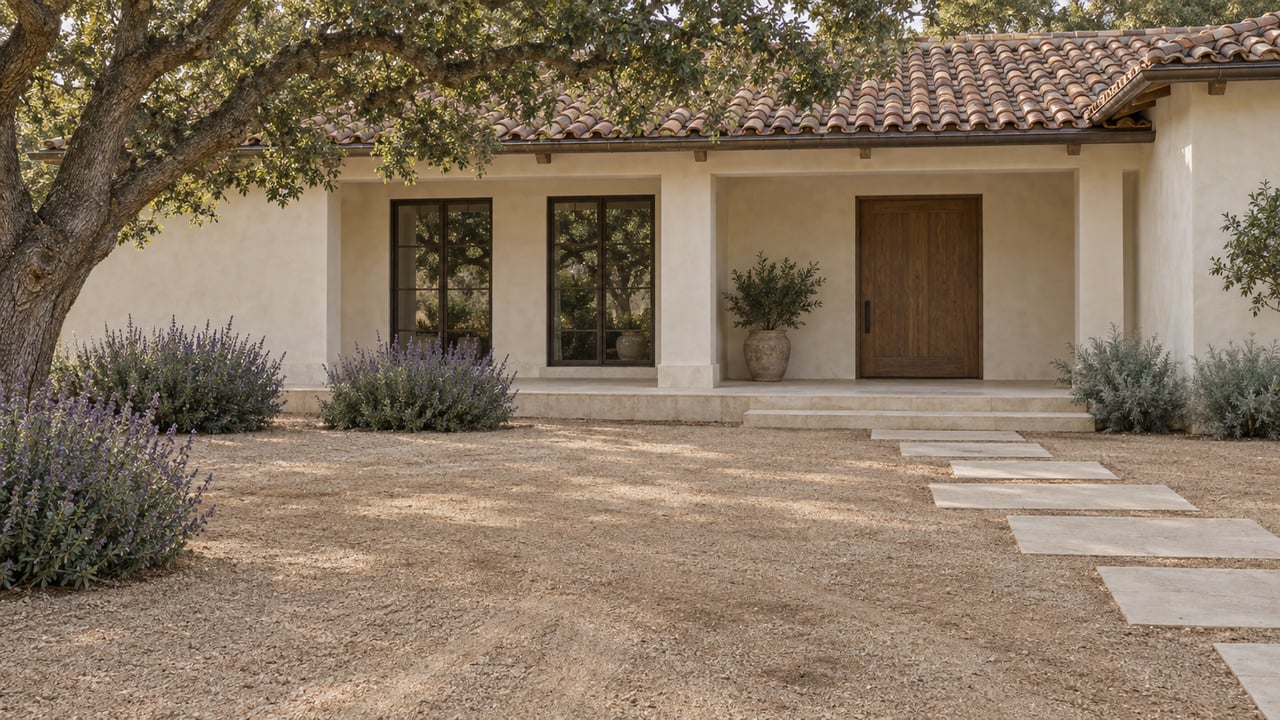
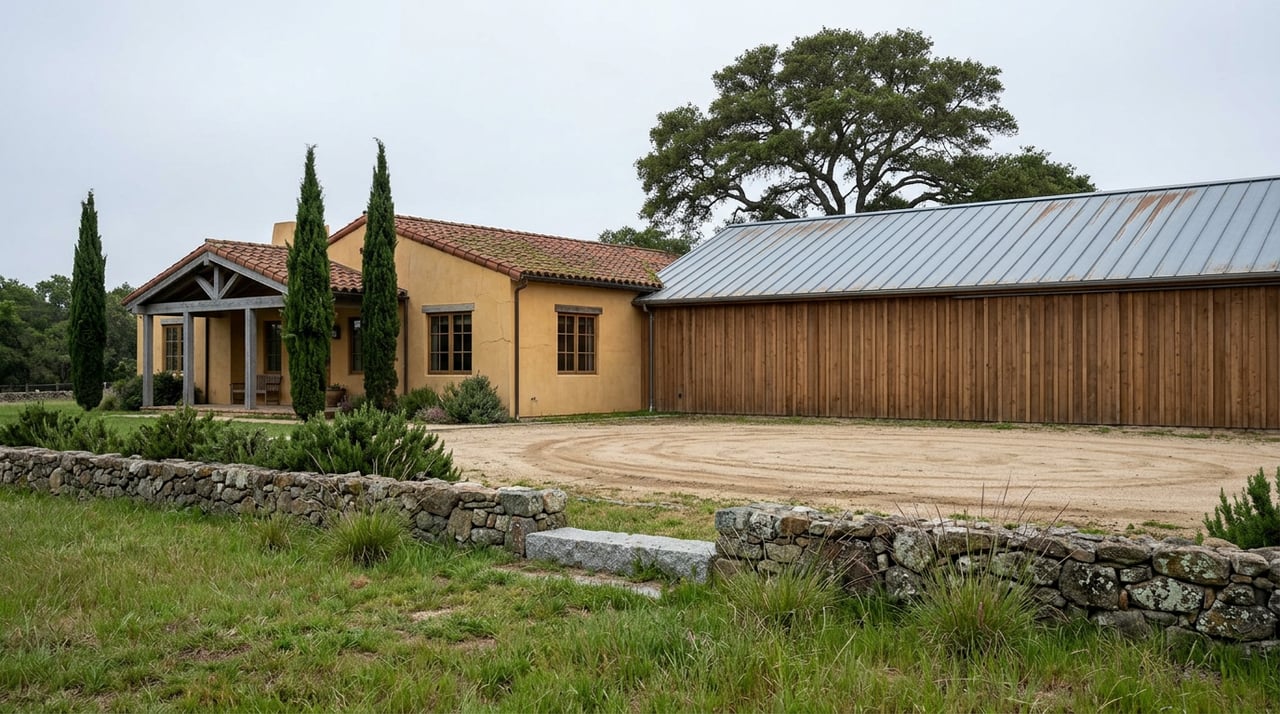
Hunt Club stands out because it is a gated community in San Juan Capistrano where equestrian zoning and large parcels are part of the appeal. Current listings describe the neighborhood as guard-gated, and several properties sit on roughly 1-acre lots. In this setting, buyers often view a home more like a small estate than a standard tract property.
That mindset fits the larger city context. San Juan Capistrano reports 43 miles of unpaved hiking, mountain, and equestrian trails, along with more than 3,000 acres of permanent open space. The city also maintains an active focus on equestrian facilities and trail access, which helps explain why horse-oriented buyers pay close attention to land use here.
Usable land matters more than lot size
For most equestrian buyers, the first question is simple: How much of the lot is truly usable? A one-acre parcel can sound impressive, but that number alone does not tell you how the land functions. In Hunt Club, slope, easements, setbacks, and lot shape can all change what is practical.
The Hunt Club specific plan makes this especially important. It identifies parcel deed restrictions, building-height limits, mapped equestrian easements, and slope-related design constraints. The plan legend also references 20-foot and 7-to-10-foot equestrian easements, so buyers need to understand where those areas fall on the property before assuming they can build or improve freely.
This is why two homes with similar acreage may feel very different in person. One lot may offer broad flat pad space, easier fencing, and cleaner access for people and vehicles. Another may lose much of its functional value to slope or an awkward layout.
What buyers check on the ground
Equestrian buyers often look for a parcel that supports daily use without feeling forced. They are usually paying attention to:
- Flat, usable pad areas
- Driveway and gate access
- Space for turnouts or auxiliary structures
- Room for trailer movement or turnaround
- Land drainage patterns
- Fencing and separation from the main residence
- Privacy from neighboring lots
In Hunt Club, these details can affect both lifestyle fit and value. A property that is easy to improve and easy to live with will usually stand out more than one with the same headline acreage but less practical utility.
Barn and arena potential shape buyer interest
Not every Hunt Club buyer needs a fully built horse setup on day one. Many are open to creating the right improvements over time. What they want to know is whether the property can realistically support that plan.
That means buyers often assess level land, access, fencing, and the relationship between the home and the outdoor areas. They may ask whether there is logical placement for a barn, tack area, turnout, or other horse-related use without compromising privacy or everyday household flow.
Current listings reinforce this pattern. Some properties highlight horse amenities or community horse trails, which tells you buyers are comparing not only the home itself, but also how easily it connects to riding-oriented use. In a niche market like Hunt Club, future potential can carry real weight.
Trail access adds practical value
Trail access matters more when the surrounding area supports an active equestrian lifestyle. San Juan Capistrano has broad riding infrastructure, including the Rancho Mission Viejo Riding Park and the San Juan Capistrano Equestrian Center, which lists seven arenas, seven barns, round pens, wash racks, and tack facilities. Capistrano Riding Club also notes access to trails in the foothills.
For a Hunt Club buyer, that means a home does not always need to function as a full training facility to make sense. If the lot works well for horses and the surrounding city supports riding access, the property may still check the right boxes for lifestyle buyers.
The home still needs to work as an estate
Equestrian buyers in Hunt Club are rarely focused on horse use alone. They also want the home to function well for everyday living, guests, and entertaining. In many cases, the ideal property supports both household life and horse life without making either one feel secondary.
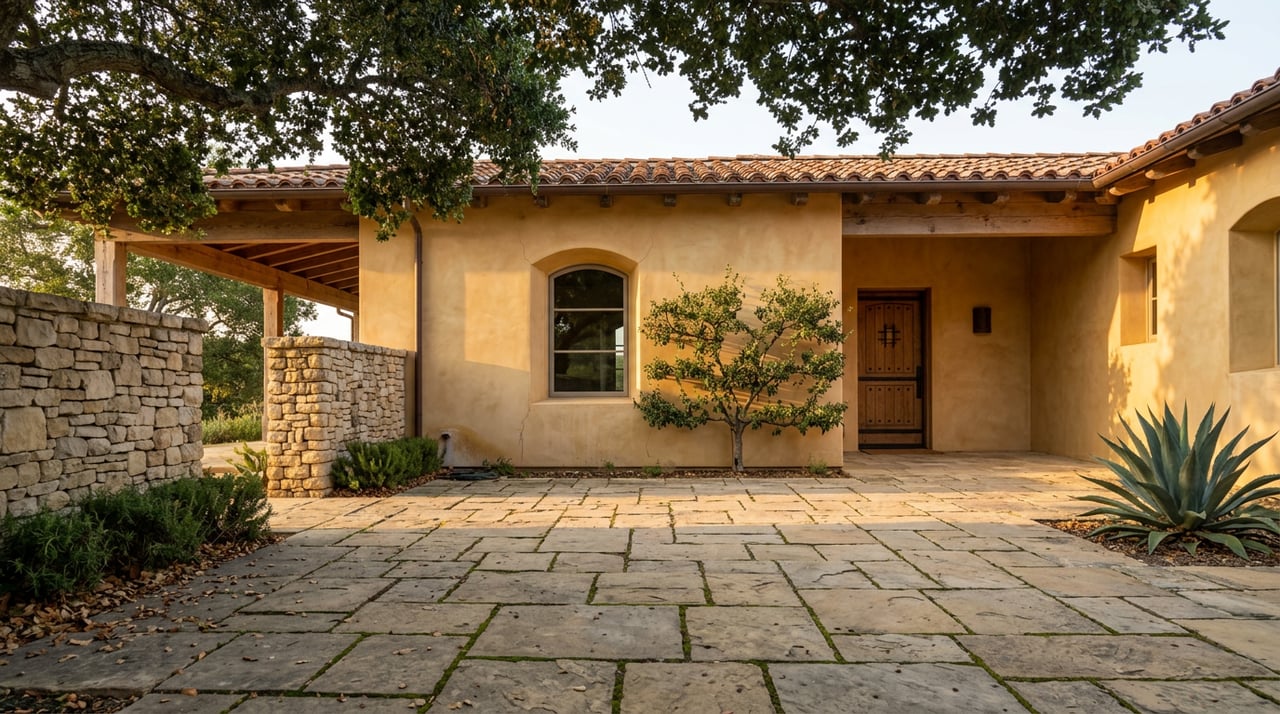
Recent listing descriptions point to this clearly. Features like main-level primary suites, offices, detached guest suites, second kitchens, pool houses, patios, terraces, and other estate-style amenities appear often in Hunt Club marketing. That suggests buyers here are looking for a complete property, not just a barn with a house attached.
Layout features buyers often value
A strong Hunt Club layout often includes:
- A main-floor primary suite
- Flexible guest space
- A private office or quiet work area
- Outdoor entertaining areas
- Detached or auxiliary structures
- Clear separation between active outdoor use and private indoor living
This matters for resale too. A well-designed Hunt Club property should appeal not only to current horse owners, but also to future buyers who want privacy, outdoor space, and estate living even if they do not plan to keep horses.
Privacy and flow influence perceived value
In a gated, large-lot community, privacy is part of the product. Equestrian buyers tend to notice how the house sits on the lot, how outdoor areas are arranged, and whether horse-oriented improvements would feel integrated or intrusive. A property that flows naturally from entry to residence to outdoor space often feels more polished and more livable.
This is one reason detached structures can be so valuable in Hunt Club. Guest suites, pool houses, gazebos, or other auxiliary spaces may help a property serve multiple needs at once. They can support visitors, work-from-home use, recreation, or multigenerational flexibility while preserving the main home’s privacy.
How buyers think about value in Hunt Club
In a small and specialized neighborhood, pricing is rarely just about house size. Buyers tend to compare homes based on usable land, equestrian functionality, privacy, and overall estate utility before they focus on pure square footage. That approach makes sense in a market where lot conditions and land constraints can vary significantly from one property to the next.
Public listing data also show that Hunt Club sits in a luxury price category. One 1-acre estate sold for $5.45 million in April 2024. At that level, buyers are generally looking closely at whether the property supports the lifestyle the price suggests.
Why standard comps can miss the point
A basic side-by-side sales comparison may not tell the full story in Hunt Club. Two homes can appear similar on paper while offering very different levels of utility and privacy in real life. If one lot is flatter, easier to access, and better suited for future horse improvements, buyers may view it as the stronger property even if the homes are otherwise close in size.
That is where a niche understanding of equestrian and large-lot valuation matters. In Hunt Club, the market often rewards function, not just finishes.
Due diligence is part of the buying strategy
Because Hunt Club is governed by parcel-specific restrictions and planning rules, buyers should verify what is allowed before making big assumptions. The city notes that its electronic Municipal Code is for reference and that land use regulations sit in Title 9. The Hunt Club specific plan also states that deed restrictions apply.
In practice, that means buyers should review more than the listing remarks. It is smart to confirm title matters, easements, HOA rules, the specific plan, and any permit-related implications before removing contingencies. If you are thinking about future horse improvements or auxiliary structures, parcel-level review is essential.
Key questions to ask before you buy
Before moving forward on a Hunt Club property, buyers often benefit from asking:
- Is the lot mostly flat and usable, or does slope limit options?
- Where are the equestrian easements located?
- Is trail access direct, nearby, or tied to a specific easement?
- What existing structures are approved?
- What future improvements appear realistic for this parcel?
- Does the property still have strong appeal if your needs change later?
These questions help you look past marketing language and focus on long-term fit.
What sellers should understand too
If you are selling a Hunt Club home, it helps to know that equestrian buyers are often studying the same details. They want clear information about usable flat land, gates, fencing, drainage, privacy, access, and any existing or approved auxiliary structures. Specific, practical facts usually carry more weight than broad lifestyle language.
In this neighborhood, strong positioning means showing how the property lives. Buyers want to picture where horses could go, how the land handles movement and maintenance, and how the home supports family life, guests, and outdoor use. The clearer that picture is, the stronger the marketing story becomes.
If you want experienced guidance on buying or positioning a Hunt Club equestrian estate, Mark Kojac brings a broker-led, data-aware approach shaped by South Orange County luxury and horse-property experience.
FAQs
What do equestrian buyers look for first in Hunt Club homes?
- Most start with usable land, not just total acreage. They want to know how much of the lot is flat, accessible, and practical for horse use, privacy, and outdoor living.
Why is usable acreage so important in Hunt Club?
- The Hunt Club specific plan includes easements, deed restrictions, and slope-related constraints, so two lots with similar acreage can offer very different real-world functionality.
Can a Hunt Club home still appeal if you do not keep horses?
- Yes. Many Hunt Club properties are set up like small estates, with features such as guest space, outdoor entertaining areas, privacy, and flexible auxiliary structures that appeal beyond horse use.
What should buyers verify before purchasing a Hunt Club property?
- Buyers should review title, easements, HOA rules, the Hunt Club specific plan, and any permit or land-use implications tied to the parcel before removing contingencies.
Does trail access affect Hunt Club home value?
- It can. In a city with 43 miles of unpaved hiking, mountain, and equestrian trails plus established riding facilities, trail-oriented access can add meaningful lifestyle appeal for equestrian buyers.